


A dental filling is a restorative dental procedure used to repair a tooth that has been damaged by decay or cavities.
The processes involves removing the decayed portion of the tooth and filling the space with a filling material to restore its function, shape, and integrity.
The tooth-filling material can vary and may include substances like composite resin, amalgam (a mixture of metals), porcelain, or gold. Dental fillings not only address existing cavities but also prevent further decay by sealing off the affected area and protecting the tooth from additional damage.
The significant influx of over 1.1 million medical tourists to Turkey in 2022, as reported by the Turkish Ministry of Health, underscores the country’s growing prominence as a medical tourism destination. Remarkably, 40% of these visitors specifically sought dental treatments, highlighting Turkey’s reputation for providing high-quality and cost-effective dental care.
Turkey’s success in dental tourism can be attributed to its modern healthcare facilities, skilled dentists and the rich cultural experiences the country offers.
When teeth are affected by decay, cavities, fractures or wear, the application of dental fillings becomes necessary. These fillings serve to remove decayed material, repair damaged tooth structure and prevent further deterioration.
Timely intervention with dental fillings is crucial in halting the progression of dental problems and ensuring the overall health and longevity of the affected teeth.
Dental filling is a frequently used restorative dental treatment. Dental filling is used in cases where tooth tissue has been lost due to decay or dental lesions. These lost or decayed areas are cleaned and filled with different filling materials. Dental filling may also be preferred in cases of fracture and damage to the tooth.
Dental fillings can be made of different materials. The most commonly used dental filling materials include composite resins (color-matchable fillings), amalgam (metal alloy), porcelain and gold. The choice of filling material is determined in cooperation with the dentist and the patient, depending on factors such as the size of the decay, the location of the tooth, aesthetic preferences and cost.
Maintaining good oral health is critical to ensuring healthy teeth and gums. However, despite our best efforts, dental issues such as cavities and tooth decay can still occur. Fortunately, advancements in restorative dentistry have made it possible to address these problems with a range of dental filling procedures and techniques.
In this article, we will explore various aspects of tooth filling procedures, including cavity filling options, filling material types, dental filling aftercare, and cavity prevention techniques. We will also discuss dental restoration techniques, such as composite filling material, tooth-colored fillings, and amalgam filling alternatives.
The most common type of dental restoration is a tooth filling procedure, which involves filling a cavity to prevent further damage to the tooth. There are several types of dental fillings available today, including metal fillings, tooth-colored fillings, and composite fillings.
Metal fillings, also known as amalgam fillings, have been used for decades and are very durable. However, they are not as aesthetically pleasing as tooth-colored fillings and may require the removal of more of the tooth’s structure during placement.
Tooth-colored fillings, also known as composite fillings, are made from a mixture of glass and plastic. They are highly versatile, as they can be color-matched to the surrounding teeth, making them virtually invisible. Additionally, they require less tooth structure removal during placement compared to metal fillings.
The processes of filling a cavity involves removing the decayed portion of the tooth and filling it with a suitable material. The filling placement processes typically involves four steps: cleaning the affected tooth, preparing the filling material, placing the filling, and shaping and polishing it for a natural look.
Dental filling materials used in cavity filling options include amalgam, composite, porcelain, and gold. The choice of material used in tooth filling procedures depends on various factors, including the extent of the decay, location of the cavity, and the patient’s budget.
One concern many patients have about tooth filling procedures is pain. While some discomfort during and after the procedure is normal, the dentist will take steps to ensure the patient is as comfortable as possible. This may include applying a local anesthetic or using sedation dentistry techniques.
After undergoing a tooth filling procedure, it is essential to follow proper dental filling aftercare to ensure the longevity of the restoration. This includes avoiding hard or sticky foods for several hours after the procedure, practicing good oral hygiene habits, and scheduling regular dental checkups.
The cost of dental filling procedures varies based on factors such as the type of filling material used, the complexity of the procedure, and geographical location. It is important to discuss the cost of dental fillings with your dentist beforehand and explore potential financing options if necessary.
Preventing cavities is critical to maintaining healthy teeth and gums. Effective cavity prevention techniques include brushing and flossing regularly, using fluoride toothpaste, drinking water with fluoride, and scheduling regular dental checkups.
Conclusion:
Tooth filling procedures and dental restoration techniques are essential components of restorative dentistry. Understanding the different types of filling materials, cavity filling options, and dental filling aftercare can help patients make informed decisions about their dental health. By practicing good oral hygiene habits and following cavity prevention techniques, patients can maintain healthy teeth and gums and avoid more extensive dental work in the future.
The choice of the best tooth filling depends on various factors, including the location of the tooth, the extent of decay, aesthetic preferences, and budget considerations. Composite fillings are often considered the best for visible teeth due to their natural appearance and bonding capabilities. Amalgam fillings are durable and cost-effective but may be noticeable. Ceramic and porcelain fillings provide an aesthetic option but are typically more expensive. Ultimately, the best type of filling is determined through consultation with a dentist, who considers the specific needs and circumstances of the individual patient.


Dental filling procedures involve the following key steps:
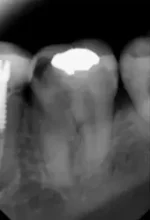
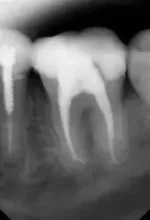
The dentist examines the tooth visually and may use X-rays to assess the extent of decay or damage.
Local anesthesia is administered to numb the tooth and the surrounding area, ensuring a pain-free experience during the procedure.
The dentist removes the decayed or damaged portion of the tooth using a dental drill or laser.
The tooth is prepared for the filling by cleaning and shaping the space left after decay removal.
The chosen filling material (composite resin, amalgam, ceramic, etc.) is applied to the prepared tooth, restoring its shape and function.
Curing (for Composite Fillings)
If a composite filling is used, a special light is used to harden and bond the material to the tooth.
Adjustment and Polishing
The dentist checks the bite and makes any necessary adjustments to ensure proper alignment. The filled tooth is then polished for a smooth finish.
Post-Procedure Evaluation
The dentist may take X-rays after the procedure to ensure the filling is properly placed and there are no issues.
There are several types of dental fillings, each made from different materials. The common types of dental fillings include:
Amalgam fillings, also known as silver fillings, are made from a mixture of metals, including silver, tin, copper, and mercury. They are durable and cost-effective. They have a metallic appearance.
Composite fillings are made from a blend of plastic resin and glass particles. They are tooth-colored and provide a natural appearance, making them a popular choice for visible teeth. Composite fillings bond well with the tooth structure.
Ceramic or porcelain fillings are crafted to match the natural color of teeth. They are durable and resistant to staining, making them a suitable choice for visible areas in the mouth. Ceramic fillings are often more expensive than other types.
Glass ionomer fillings are made from a combination of glass and acrylic. They release fluoride, which can help prevent further decay. They are generally preferred for developing teeth, i.e. children’s teeth.
Gold fillings, or gold inlays/onlays, are made from a gold alloy. They are highly durable and long-lasting but are more expensive and have a noticeable gold color.
These are similar to traditional composite fillings but are crafted outside the mouth and then bonded to the tooth. An inlay is usually used to repair pitted areas on the chewing surface of the tooth, while an onlay is used to repair both the biting surface and one or more of the chewing cusps. An onlay covers a larger area of the tooth than an inlay.

Dental filling costs can be quite high in America or Europe. For example, amalgam fillings usually cost between $100 and $200 for each cavity, while composite fillings cost between $130 and $350. Gold fillings can be more expensive, costing between $300 and $1,000, while porcelain fillings can range in price from $700 to $1,500.
However, in Turkey, these prices can often drop by as much as half, and dental filling services in the country are effectively offered by specialized dentists with these advantageous costs. Having a dental filling in Turkey is an attractive option for many people in order to get quality service at affordable costs.
Choosing Turkey for dental fillings offers a compelling combination of quality care and cost-effectiveness. The country has become a popular destination for dental tourism, providing access to skilled dentists and modern facilities at significantly lower costs compared to many Western countries.
Turkish dental professionals are known for their expertise and use of advanced technologies. Patients seeking dental fillings in Turkey can benefit from substantial cost savings without compromising on the quality of care. With competitive prices, state-of-the-art clinics, and a rich cultural experience, Turkey stands out as a favorable choice for individuals considering dental treatments, including dental fillings. Explore the diverse and cost-efficient options Turkey presents for dental health and treatment.
Turkey offers many perks and benefits to foreigners coming for medical treatments. Here are the top reasons why Turkey is a good catch for dental treatments and other medical treatments:
Turkey stands out in attracting thousands of foreigners for dental treatments. The dental surgeons in the field are certified by the board and highly experienced. They undergo rigorous evaluations through numerous assessment tests before joining the industry. Among the well-known hospitals for dental treatments in Turkey are Avicenna Hospital, Memorial Hospital, Medical Park Hospital, Liv Hospital, and others.
One of the advantages of coming to Turkey for medical treatment is that you don’t have to deal with long visa queues. Most foreigners, especially Europeans, can enter Turkey visa-free with just a valid ID card. This saves you a lot of time and allows you to plan your travel with less hassle.
The Ministry of Health announced the VAT exemption for foreigners visiting Turkey for medical treatment in 2018. This is a government incentive to boost medical tourism in Turkey and provide convenience to foreign patients. Therefore, if you are a foreigner coming to Turkey for medical treatment, medical services are exempt from VAT. The total profit generated by the medical tourism sector so far this year is $1,033,942.
A notable advantage of opting for Turkey is the swift appointment processes, sparing you the ordeal of waiting for months or even years. Despite catering to hundreds and thousands of patients each season, every individual receives consistent attention and care. The appointment procedures are streamlined, ensuring a prompt and hassle-free experience.
Istanbul, Turkey’s bustling metropolis, serves as a major transit hub with a multitude of daily flights. Securing flight connections to virtually any global destination from Istanbul is remarkably convenient. Additionally, most flights from European countries to Istanbul boast a mere 3-hour duration. Consequently, international visitors can enjoy the seamless accessibility of traveling to Turkey.
Affordability Factor: A paramount advantage of selecting Turkey for medical treatments lies in its cost-efficiency. Medical procedures in Turkey are priced at approximately 70% to 80% lower than those in other countries like the US or the UK. Furthermore, those interested can explore comprehensive medical tourism packages covering everything from flights to treatment and accommodation, enhancing the overall affordability.

If you are considering Turkey for dental filling treatment, here is the processes of booking an appointment for your treatment. The processes is as follows:
The first primary step to start the processes is reaching out to us and sharing your information.
One of our team members will take down your details including your contact details and medical history.
Here are the tests our representative will ask you to share with them via WhatsApp or email:
Once our doctors are satisfied with your test results, we will help you sort out your flight to Turkey and your itinerary.
It doesn’t matter which airport you land at we will be there to pick you up and take you to the hotel.
We will arrange your hotel transfers as well to make sure you are sorted throughout your trip.
Once you arrive at the hotel, our doctors will welcome you and prepare you for certain tests.
Although we have asked you for certain tests before, our doctors run another set of tests to be safe.
The following tests will be performed before the surgery:
If the doctors are satisfied with your test results, they prepare you for the surgery.
On the day of the surgery, you are transferred to the hospital and welcomed by the staff at the hospital.
After the surgery, you may have to stay in the hospital for a short while for doctors to monitor your condition.
This is just a preventative step to make sure you are recovering fine.
You may have to revisit after a few days for a follow-up appointment with the doctor.
Once your doctor gives the go-ahead, we will transfer you to your designated hotel.
The hotel provides a wide range of amenities and luxuries to make sure you are comfortable throughout your stay.
What services does our dental filling package include?
Here is a complete list of services our treatment package includes:
Dental fillings are a widely used and successful solution for treating tooth decay, but like any medical procedure, they have some considerations. It’s crucial to note that these potential disadvantages are often minimal compared to the benefits:
The healing time for a tooth after a filling is typically minimal. Patients can usually resume their regular activities immediately after the procedure. Any numbness from local anesthesia wears off within a few hours, allowing individuals to eat and drink normally. While some individuals may experience temporary sensitivity to hot or cold temperatures, this usually subsides within a few days to a couple of weeks. The majority of patients find that their teeth feel normal shortly after a dental filling, and they can enjoy their usual routines without significant downtime.
After a dental filling procedure, proper aftercare is crucial for a smooth recovery and optimal oral health. Follow these tips:
Avoid Immediate Eating: Refrain from eating until the anesthesia wears off to prevent accidental bites.
Mind Numbness: Be cautious with hot foods if numbness persists and avoid potential injuries while chewing.
Address Sensitivity: Manage temporary sensitivity with toothpaste for sensitive teeth and by avoiding extreme temperatures.
Prioritize Oral Hygiene: Maintain good oral hygiene with regular brushing and flossing to promote healing and prevent further issues.

Dental fillings are not typically painful during the procedure due to local anesthesia. Afterward, some may experience temporary sensitivity, but this discomfort is generally mild and short-lived.
The lifespan of dental fillings varies depending on the type of filling material used. On average, amalgam fillings may last up to 10 to 15 years, while composite fillings have a lifespan of around 7 to 10 years. Regular dental check-ups help monitor the condition of fillings and determine if any replacement or maintenance is necessary.
After the tooth filling procedure, you can resume eating after the time recommended by your doctor. This time can usually be 2 hours. After the dental filling, you should eat soft and liquid foods and avoid eating sticky, hard, hot foods for a while.
After a dental filling, avoid eating until numbness subsides, limit hot and cold foods to minimize sensitivity, and steer clear of sticky or hard items that could potentially damage the filling. Follow your dentist’s specific instructions for optimal post-filling care.
Yes, fillings can be tooth-colored. Tooth-colored fillings, also known as composite fillings, are made of a mixture of plastic and fine glass particles. These fillings are designed to match the color of natural teeth, providing a more aesthetically pleasing and discreet option compared to traditional silver amalgam fillings. Tooth-colored fillings are often used for front teeth or visible areas where appearance is a concern.
Yes, a tooth can decay even after a filling. If the filling is poorly done or deteriorates over time, the tooth may decay. To prevent the formation of new cavities around or beneath the filling, it is crucial to maintain good oral hygiene practices, including regular brushing, flossing, and routine dental check-ups. Regular dental examinations help monitor the condition of fillings and aid in the early detection of potential issues.


