


Endodontics, one of the branches of dentistry, is generally concerned with the identification and treatment of toothache, tooth disease and infections. The meaning of the word comes from Greek. “Endo” means inside and “odont” means tooth. This shows that endodontology is about the inside of the tooth. Endodontology examines, treats and protects the soft tissue inside the tooth, the “dental pulp”.
With endodontic treatment methods, the root canals containing the dental pulp are cleaned and disinfected with the help of special instruments and solutions. The processes is then completed by filling with a special filling material. These procedures are usually carried out under local anesthesia and thanks to advanced technologies, a comfortable application is realized.
According to market data released by Global Market Insights, the endodontics market size reached over USD 1.1 billion in 2022 and is expected to grow at a CAGR of 4% between 2023 and 2032. Thanks to improvements and regulations in the health sector since 2008, Turkey has become one of the most preferred destinations for dental treatments and dental operations.
According to the Turkish Dental Association (TDB), 150,000 to 250,000 foreign patients flock to Turkey every year, making it one of the most popular dental tourism destinations in the world, along with Hungary, Thailand and Dubai in the United Arab Emirates.
Endodontic treatment, commonly known as root canal therapy, is typically recommended for individuals who have issues with the dental pulp, which is the soft tissue inside the tooth. You can receive endotonology treatment if the inside of the tooth is decayed, infected or after unsuccessful treatment.
The pulp, which is the area of interest of endodontology and in which the tooth is located, can be damaged by impacts, infections or various reasons. Endodontics undertakes the treatment of conditions such as infection, pain or wounds that occur in the pulp. The treatment methods applied by endodontics aim to protect the tooth and eliminate the negative conditions that occur in the tooth root.
When faced with dental problems such as toothaches, infections, or inflammation of the dental pulp, seeking appropriate treatment is crucial. Endodontic treatment, which includes procedures like root canal treatment and dental pulp therapy, focuses on preserving the natural tooth by addressing issues related to the dental pulp. In this article, we will delve into various aspects of endodontic treatment, highlighting its procedures, specialists, retreatment options, and more.
Root Canal Treatment: Root canal treatment involves removing infected or damaged dental pulp from the tooth’s root canal system. The procedure aims to alleviate pain, eliminate infection, and save the natural tooth from extraction.
Dental Pulp Therapy: Dental pulp therapy is performed on teeth with injured or infected dental pulp. It may involve different approaches, such as pulpotomy (partial removal of the pulp) or pulpectomy (complete removal of the pulp) depending on the severity of the condition.
Endodontic Surgery: In certain cases where traditional root canal treatment is insufficient, endodontic surgery, such as an apicoectomy, may be necessary. This procedure involves removing the tip of the tooth root and sealing it to prevent further infection.
Endodontic specialists, also known as endodontists, are dentists who specialize in diagnosing and treating dental pulp-related issues. They undergo additional years of advanced training to become experts in endodontic therapy. Premier endodontics refers to high-quality endodontic care provided by experienced specialists, offering patients specialized expertise in treating complex cases.
Sometimes, a previously treated tooth may develop new problems or fail to heal properly. In such cases, endodontic retreatment may be recommended. This processes involves reopening the tooth, removing the previous filling material, and cleaning and sealing the canal again to address any recurrent infection or inflammation.
Endodontic treatment plays a vital role in dental abscess treatment by addressing the infected tooth’s root cause. Additionally, cracked tooth treatment may involve endodontic therapy, depending on the extent of the crack and potential damage to the dental pulp.
Endodontists utilize specialized instruments during root canal procedures. These instruments include files, reamers, and irrigating solutions to clean and shape the root canals effectively. moreover, endodontic microscopes provide enhanced visualization, aiding in precise diagnosis and treatment.
Endodontic emergencies, such as severe tooth pain or trauma, require immediate attention. Seeking prompt dental care can help preserve the tooth and prevent further complications. Endodontic diagnosis involves a comprehensive examination, which may include X-rays or other imaging techniques, to determine the underlying issues and develop an appropriate treatment plan.
Endodontic treatment aims to relieve dental pain caused by infections or inflammation. In addition to local anesthesia during procedures, endodontists may prescribe pain management techniques or medications to ensure patient comfort throughout the treatment processes.
Conclusion: Endodontic treatment, including root canal procedures and dental pulp therapy, offers effective solutions for preserving natural teeth affected by infections, inflammation, or trauma. With the expertise of endodontic specialists and access to premier endodontic care, patients can receive high-quality treatment tailored to their specific needs. By understanding the various aspects of endodontic therapy, individuals can make informed decisions about their dental health and find relief from tooth-related ailments through these advanced procedures.
Dentists who specialize in endodontics are called endodontists and endodontists undertake treatments to keep and protect the tooth in the mouth. Root canal treatment is one of the basic treatments of endodontology.


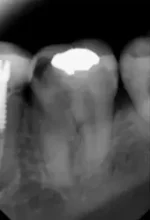
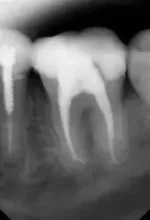
Root canal treatment is the most common endodontic treatment. In this treatment, the inflamed, infected or damaged pulp is removed and the root canals of the tooth are cleaned. The cleaned canals are filled with a special filling material and sealed. Root canal treatment eliminates gum pain and infection.
Infections and inflammation may occur in the dental pulp due to tooth decay, gum disease, impacts and enamel opening. These inflammations in the dental pulp are called dental abscesses and are treated by cleaning this area thanks to dental abscess drainage, a method of endodontics.
Unsuccessful root canal treatment can cause inflammation of the tooth root. In this case, infections at the tip of the tooth root are eliminated by apical resection, which is called root tip surgery.
Revascularization method is usually used instead of root canal treatment for young teeth. Since young teeth have not yet completed their development, the living stem cells here are activated and a natural development processes is started in dental treatment.
Endodontic treatment, commonly referred to as a root canal procedure, is skillfully performed by a dentist or an endodontist, encompassing a series of steps to ensure the restoration and preservation of the affected tooth:
Commencing with a comprehensive examination of the afflicted tooth, the dentist delves into the patient’s dental history. Utilization of X-rays or advanced imaging techniques aids in a meticulous assessment of the tooth’s root canals and adjacent structures.
Prior to the commencement of the procedure, the dentist administers localized anesthesia to ensure the patient’s comfort and a pain-free experience.
A protective rubber dam is strategically placed around the tooth, ensuring a dry and saliva-free environment during the procedure, effectively preventing contamination of the root canals.
Employing a dental drill, a minute opening is carefully crafted in the crown of the tooth, providing access to the pulp chamber and root canals.
The dentist employs specialized instruments, such as files, to meticulously remove the infected or inflamed dental pulp. Subsequently, the root canals are cleansed and shaped to facilitate the forthcoming placement of the filling material.
The interior of the tooth, encompassing the intricate root canals, undergoes a meticulous cleansing and shaping processes to eliminate any residual pulp tissue, debris, and bacteria. Antimicrobial solutions are employed for irrigation, ensuring the thorough disinfection of the canals.
The cleaned and shaped canals are filled with gutta-percha, a biocompatible material, to meticulously seal the space and prevent any potential resurgence of infection.
Sealing of Access Opening
The access opening created in the crown of the tooth is securely sealed using either a temporary or permanent filling material, effectively closing the tooth and mitigating the risk of reinfection.
Following the completion of the root canal procedure, additional X-rays are taken to verify the proper placement of the filling material and to detect any potential signs of infection or complications.
In instances where the tooth has undergone substantial weakening, the dentist may recommend the placement of a crown to restore strength and protect the tooth from potential damage.
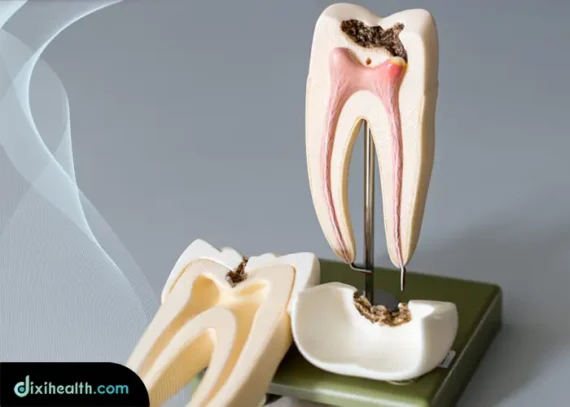

Root canal treatment costs vary depending on several factors. These factors include the location of the tooth, the expertise of the treating doctor, the urgency of the treatment, the need for crowns, insurance coverage, where you live, and the type of tooth. Root canal treatment on front teeth is usually cheaper, while treatments on molars are usually more costly. On average, a root canal on an anterior tooth costs about $1,000, while treatments on molars usually range from $1,300 to $1,600. In Turkey, the cost of endodontic treatments is quite affordable.
Turkey is a very advantageous destination for root canal treatments, which usually start from 135 dollars. Depending on the type of treatment you need, this price goes up to a maximum of 2,000 dollars. In addition, if you are coming to Turkey for root canal treatment, you can benefit from full-scale tours including various travel plans and have a pleasant health experience.
Turkey offers many perks and benefits to foreigners coming for medical treatments. Here are the top reasons why Turkey is a good catch for dental treatments and other medical treatments:
Turkey stands out in attracting thousands of foreigners for dental treatments. The dental surgeons in the field are certified by the board and highly experienced. They undergo rigorous evaluations through numerous assessment tests before joining the industry. Among the well-known hospitals for dental treatments in Turkey are Avicenna Hospital, Memorial Hospital, Medical Park Hospital, Liv Hospital, and others.
One of the advantages of coming to Turkey for medical treatment is that you don’t have to deal with long visa queues. Most foreigners, especially Europeans, can enter Turkey visa-free with just a valid ID card. This saves you a lot of time and allows you to plan your travel with less hassle.
The Ministry of Health announced the VAT exemption for foreigners visiting Turkey for medical treatment in 2018. This is a government incentive to boost medical tourism in Turkey and provide convenience to foreign patients. Therefore, if you are a foreigner coming to Turkey for medical treatment, medical services are exempt from VAT. The total profit generated by the medical tourism sector so far this year is $1,033,942.
A notable advantage of opting for Turkey is the swift appointment processes, sparing you the ordeal of waiting for months or even years. Despite catering to hundreds and thousands of patients each season, every individual receives consistent attention and care. The appointment procedures are streamlined, ensuring a prompt and hassle-free experience.
Istanbul, Turkey’s bustling metropolis, serves as a major transit hub with a multitude of daily flights. Securing flight connections to virtually any global destination from Istanbul is remarkably convenient. Additionally, most flights from European countries to Istanbul boast a mere 3-hour duration. Consequently, international visitors can enjoy the seamless accessibility of traveling to Turkey.
Affordability Factor: A paramount advantage of selecting Turkey for medical treatments lies in its cost-efficiency. Medical procedures in Turkey are priced at approximately 70% to 80% lower than those in other countries like the US or the UK. Furthermore, those interested can explore comprehensive medical tourism packages covering everything from flights to treatment and accommodation, enhancing the overall affordability.

If you are considering Turkey for endodontic treatment, here is the processes of booking an appointment for your treatment. The processes is as follows:
Step 1: Get in touch with our representative and share your details
The first primary step to start the processes is reaching out to us and sharing your information.
One of our team members will take down your details including your contact details and medical history.
Here are the tests our representative will ask you to share with them via WhatsApp or email:
Step 2: Travelling to Turkey and Hospitalization
Once our doctors are satisfied with your test results, we will help you sort out your flight to Turkey and your itinerary.
It doesn’t matter which airport you land at we will be there to pick you up and take you to the hotel.
We will arrange your hotel transfers as well to make sure you are sorted throughout your trip.
Step 3: Pre-surgery Check-up
Once you arrive at the hotel, our doctors will welcome you and prepare you for certain tests.
Although we have asked you for certain tests before, our doctors run another set of tests to be safe.
The following tests will be performed before the surgery:
Step 4: Surgery
If the doctors are satisfied with your test results, they prepare you for the surgery.
On the day of the surgery, you are transferred to the hospital and welcomed by the staff at the hospital.
Step 5: Recovery
After the surgery, you may have to stay in the hospital for a short while for doctors to monitor your condition.
This is just a preventative step to make sure you are recovering fine.
You may have to revisit after a few days for a follow-up appointment with the doctor.
Step 6: Travel & Health Package
Once your doctor gives the go-ahead, we will transfer you to your designated hotel.
The hotel provides a wide range of amenities and luxuries to make sure you are comfortable throughout your stay.
Here is a complete list of services our treatment package includes:
The recovery time after endodontic treatment varies from person to person. Typically, it can take about seven to ten days for the teeth and gums to heal properly. During this time, you may experience mild discomfort, but pain medication can help alleviate this.
Properly caring for your teeth after root canal treatment is important to ensure the success of the treatment and to maintain the health of the treated tooth. Here is the answer to the question of how to care for your teeth after root canal treatment:
Follow Post-Treatment Instructions:
Follow the specific post-treatment instructions given by your dentist or endodontist.
Practice Good Oral Hygiene:
Brush your teeth at least twice a day with fluoride toothpaste and floss between teeth. Be gentle when brushing the treated area.
Do not eat hot, cold or hard foods:
Do not eat hot, cold or hard foods immediately after treatment. Smoking can also have a negative impact on your recovery.
Avoid Hard and Sticky Foods:
Avoid hard and sticky foods that can potentially damage the treated tooth or temporary filling.
Attend Regular Dental Checkups:
Keep the follow-up appointments scheduled by your dentist or endodontist. In many cases, a root canal tooth may require a permanent restoration, such as a dental crown. Follow your dentist’s recommendations and attend any additional treatments necessary to protect and strengthen the tooth.
Report Unusual Symptoms:
If you experience persistent pain, swelling or any unusual symptoms after a root canal, contact your dentist immediately.

Here are common queries we receive regarding endodontics treatment:
The root canal is the most common treatment method in the field of endodontics. People who specialize in endodontic treatments such as root canals are called endodontists.
If you have an infection or serious damage to your tooth, choosing an endodontist will save you money in the long run. In addition, an endodontist specializes in root canal treatment, which will give you confidence in your treatment.
If your tooth hurts when you consume hot or cold foods, your dental pulp may be infected and damaged. If the damaged tooth pulp becomes inflamed, you may need root canal treatment.
Root canal treatment is a common procedure among modern dental treatments. It means that only the inflamed part of the tooth with an infection or abscess is removed without extraction. The problematic parts inside the tooth are cleaned and a filling material is placed in the cavity.
Root canal treatment is not as painful as one might think. The pain of root canal treatment is reduced with various painkillers and solutions. It is also a much healthier and saving way instead of completely extracting your tooth.
Periodontics and endodontics are two distinct branches of dentistry. Periodontics primarily focuses on the health of the supporting structures around the teeth, including the gums and bone. Periodontists specialize in preventing, diagnosing, and treating gum diseases, as well as performing procedures like gum grafts and dental implants. Endodontics deals with the internal structures of the teeth, particularly the pulp and root canals. Endodontists are skilled in performing root canal treatments to address issues such as infections or damage to the dental pulp.
It is normal to feel tenderness for the first few days after a root canal, but not significant pain. This is alleviated with prescription or over-the-counter painkillers. In most cases, the side effects subside within one to two weeks.


