Complete Guide to Breast Augmentation: Types, Cost, Recovery | Expert Tips

Understanding Breast Augmentation: Enhancing Your Natural Beauty

Breast augmentation, also known as augmentation mammoplasty, is a surgical procedure to increase the size, reshape, or improve breast fullness. It is individualized and performed using either implants or fat transfer depending on your desire and goals.

Procedure in a Capsule: Tailored to Your Path

In augmentation mammoplasty,

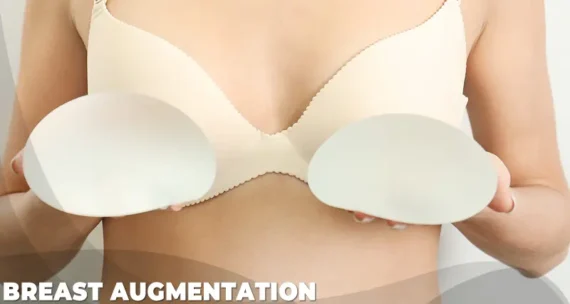
  • Implants : Whether silicone or saline, implants get carefully inserted with small incisions – they are strategically placed under the breast, around the areola, or in the armpit. These implants enhance breast volume and shape and make your breasts look and feel totally naturally.
  • Fat Transfer : Alternatively, fat harvested from areas like your abdomen or thighs can be gently injected into your breasts to create subtle, natural augmentation.
  • Reasons for Considering Breast Augmentation: Your Personal Journey.

Women choose for breast augmentation for various reasons:

  • Size Enhancement: The fullness and overall size of breasts is enhanced to increase body proportion, self-confidence, and comfort.
  • Shape Improvement: Asymmetry or loss of volume from weight loss, pregnancy, or aging has been looking for rejuvenation in good appearance and self-confidence.
  • Reconstruction: For those who are on the road to recovery after mastectomy or trauma, augmentation helps consolidate the rebuilding of femininity and restoration of symmetry.

Key Considerations

  • Consultation: Consultation with a board-certified plastic surgeon is the first step where you can establish your goals, review your candidacy, and your wishes in terms of anatomy and desires in terms of implant choice. threats There are very minimal possible risks, which include infection, scarring, implant complications, or changes in breast sensation. Recovery: You will have some post-operative swelling and discomfort, for which post-operative guidelines should be followed for best results. Long-Term Results and Maintenance: How to Maintain Your Transformation To maintain your enhanced appearance:
  • Durability: Breast implants are long-lasting, but sometimes need adjustments or replacement due to aging breast tissue.
  • Follow-up Care: Implant integrity is important for satisfaction and well-being. Follow-up evaluations for overall breast health are recommended.
  • In summary, breast augmentation is beyond aesthetic enhancement. It is one way toward increased self-confidence and fulfillment. Being informed about the procedure will pass the necessary information that will indeed make a wise decision toward going on with your quest for the breast aesthetics of your choice with full confidence and grace.

Your Breast Augmentation: A Personalized Experience

Breast augmentation formally begins with a consultation from a board-certified plastic surgeon. This initial consultation is of utmost importance since not only will the plastic surgeon get an impression of your anatomy, but you will also get a chance to put forward your end goals. Both of you will collaborate in coming up with a personalized treatment plan that is exactly tailor-made for your goals and at the same time, ensures that your expectations are kept realistic with the marvels of an outstanding outcome.

Planning for Your Goals Tailored According to You

In the consultation, your board-certified plastic surgeon will go over your medical history and the options available—it might be different types of implants used: either silicone, saline-filled; the size of the implants; the shape; or where the implants will be placed. The important point is that the implants can be fitted around the body shape to give the enhancements that are wanted.

Understanding the Procedure: What to Expect

The surgery is also known as breast augmentation or augmentation mammoplasty, and is generally carried out under full anesthesia so that you are at ease. It demands a high degree of skill and the need to create incisions usually under the breast in the natural fold, on the rim of the areola, or under the armpit to accommodate pockets for the implants. These incision techniques are chosen on the basis of your anatomy and an agreed-upon surgical plan.

Execution of the Surgery with Dexterity

After the incisions are made, your surgeon will carefully create pockets under the chest muscle or behind the breast tissue, all depending on your physical characteristics and aesthetic goals. After that, the implants are gently inserted into the created pockets. One of the important things that your surgeon is doing during this operation is establishing symmetry and correct placement to enhance one’s natural contours.

Post-Surgery Care for Healing

Then, you would be taught all the postoperative care instructions, which would also play a great role in the healing processes and would minimize problems of all types. Following the postoperative guidelines in every respect would facilitate faster recovery and provision of permanent results.

Enhancing Your Confidence

Breast augmentation enhances more than just your breasts. It fills you with confidence and thus gives you a good self-image. With proper knowledge about the plastic surgeon and surgery, you can have the control back on your body to achieve the body shape of your choice.

Conclusion

Begin with the right board-certified plastic surgeon to make all your aesthetic goals for your breast augmentation come true. Personalization of the procedure in answer to your anatomy and aspirations can gift you with the courage and confidence to take this life-changing journey, knowing you are in good hands. Learn how breast augmentation not only enhances your appearance but empowers your self-esteem for years to come.

What to Expect: Recovery and Results of Your Breast Augmentation.

Recovery Journey

You can expect attentive care when you wake up after the breast augmentation surgery. Some discomfort and swelling and bruising can be observed, usually after the surgery, which is part of the healing processes.

It is important to book a follow-up visit with your surgeon to monitor how you’re healing and ensure everything is alright, for a proper total recovery.

Possible Risks: Like any kind of surgical operations, breast augmentation surgery does have some risks related to it—infection, bleeding, loss of sensation in the nipple, rupture of implants, capsular contracture, i.e. tightening of the tissue around the implant, and so on.

Long-Term Maintenance: A breast implant is not a thing that will work throughout your life, and therefore needs replacement or removal at a later stage to continue reaping optimal results.

Expected Results

Immediate Changes: After surgery, without a doubt, you will have an increased size of your breast along with a better shape to your breast, thus fulfilling your immediate aesthetic goals.

Final Result: Over the next few weeks, as swellings subside and breast tissues settle, the complete and natural-appearing results of the procedure will become evident.

Every breast augmentation is custom-tailored for your particular anatomy and aesthetic goals, so you want to make sure you’re off to see a board-certified plastic surgeon who will go over the procedure, possible risk, and what you can expect in order to achieve your goals.

With this personal approach, you can begin your travel with confidence toward breast augmentation, well-informed and prepared for a positive transformation.

breast augmentation cost turkey
breast augmentation value in turkey

The cost of breast augmentation in Turkey could be from less expensive to very expensive, depending on several factors. These include the prestige of the medical center, the experience of the surgeon, the type of implant used, and the location.

Cost Range

Starting Point: Breast augmentation and healthcare in Turkey mostly ranges from 2,000 to 4,000 USD. This price will also include the fee for surgery with normal or regular implants.

Comprehensive Packages: Some clinics provide package deals that comprise the procedure, aftercare, and even accommodation. The prices fluctuate from $3,000 to $6,000 USD or higher, depending on your locality and precisely what is included.

Factors Affecting Costs

Implant Type: The type of implant you select would influence the prices: saline or silicone, where the latter is of a higher cost since it is made using specific raw materials and manufacturing procedures.

Surgeon’s Expertise: more experienced surgeons charge a higher fee for their skill and reputation.

Clinic Standing: more prestigious clinics with good reputations charge more compared to those that are not so well known. With modern amenities, the reputation is built to charge more.

Other Factors to Note

Extra Costs: Plan to pay for other expenses related to medications, special post-surgery garments, and follow-up consultations.

Currency Fluctuations: Prices quoted are approximate and subject to change according to currency exchange at the time of payment.

Plan Your Surgery

This would give a more accurate, custom cost estimate: contacting the clinics directly in Turkey. It is possible to get detailed pricing after an initial consultation, so that one knows exactly what is involved with the costs.

Conclusion

Breast augmentation is a very personal decision, and understanding the financial aspect of this decision is important. Always opt for credentialed clinics along with qualified surgeons and good support to ensure that safety and satisfaction are on point.
Breast Augmentation cost turkey istanbul
Breast Augmentation in Istanbul

Is Istanbul Safe for Breast Augmentation Surgery?

Making Sure You Are Safe

In case you are considering breast augmentation surgery in Istanbul, your safety is our concern. Istanbul is one of the cities known for the safest environment. There are highly skilled and qualified plastic surgeons who are operating from the most accredited and fully equipped medical centers. The following are some factors you should know, to get yourself in safe hands and hence undergo a successful procedure.

Pick the Right Surgeon

Staying safe with breast augmentation requires one to choose a board-certified plastic surgeon who has done this procedure many times. Take some time to scrutinize the qualification, testimonials from patients, and referrals to make a well-informed decision.

Accreditation of the Clinic

Ensure that the clinic or hospital where the surgery will be performed has sought accreditation from recognized health overseers. In fact, accredited facilities maintain high standards of cleanliness, safety of patients, and quality care; therefore, giving you peace of mind.

Initial Consultation

Schedule a consultation with the surgeon of your choice to discuss in detail your goals, medical history, and expectations. You can now ask all the questions related to the details of the procedure, the risks involved, recovery time, and approach of the surgeon.

Safety

The clinic needs to adhere to comprehensive safety protocols. These include careful anesthesia management, infection prevention measures, and readiness to manage emergencies if such situations arise.

Support and Aftercare

Understand the post-operative care plan, including scheduled follow-up appointments and detailed recovery instructions. A well-established surgeon and clinic will offer constant support to guarantee a smooth and successful healing processes.

Preparing Your Health

Be as honest as you can about your general health, particularly in regard to any pre-existing medical conditions and medications, during your consultations with the surgeon. This openness will give the surgeon all the information to personalize the procedure for you so that he obtains the best possible results.

Planning Your Trip

Planning is important, particularly if one is visiting from overseas. Pre-arrange accommodation close to the clinic or hospital and transportation logistics to avoid unnecessary stress and instead focus on conserving your energy for your recovery.

Conclusion
In all, if ever chosen to be performed in Istanbul, breast augmentation surgery can offer a safe and supportive environment. Strict research, selection of a good surgeon, and accredited facility ensure risks are kept low and the chances of attaining your desired results greatly increase with confidence.
Does Breast Augmentation Surgery Require Anesthesia? The answer is an absolute yes because anesthesia is crucial for your comfort and safety during the breast augmentation surgery. Find out all that you need to know about anesthesia and its role in this surgery.

In-depth Analysis of Various Types of Anesthesia

The types of anesthesia administered during breast augmentation fall under two major heads:

General Anesthesia: This procedure is quite common and will make you sleep throughout the surgery without feeling any pain.
Continued.

Local Anesthesia with Sedation: Ends numb the surgical area, but you are still relaxed—what many call twilight anesthesia—though you are partially awake.

Administered by Skilled Professionals

Anesthesia is administered by highly trained experts—an anesthesiologist or a nurse anesthetist—who will monitor your vitals rigorously during surgery to make sure that everything is okay.

Enhancing Comfort and Safety

Beyond pain relief, anesthesia facilitates the work of surgeons by making sure that you are in a comfortable position during the procedure and that you do not feel any discomfort.

Recovery and Postoperative Care

You will be kept under close observation upon waking from anesthesia after your surgery. Your surgeon will provide you with clear instructions on how to control any discomfort or side effects that may result from anesthesia.

Open Communication with Your Surgeon

You will have to be well-versed with the available anesthesia options and develop the capability of voicing concerns on the same to your plastic surgeon during consultation. Your plastic surgeon will explain an anesthesia plan specific to your surgery, making sure that you are fully prepared for a smooth procedure and recovery.

Take up breast augmentation, ensuring that you will consider everything including anesthesia to make the same entirely safe and successful. All you should do is discuss with your surgeon because he will give you the best suggestion in each step

Understand Potential Risks And Complications Of Breast Augmentation

Now that you are considering breast augmentation, it is also essential to know about its potential risks and complications. Here is a very to-the-point guide :

  1. Risk of Infection: There is always the risk of an infection occurring with any type of surgery. The doctor will prescribe some antibiotics and scrupulous wound care measures to try and minimize this risk.
  2. Anesthesia Safety: Most anesthesias are relatively safe, though there are rare risks such as allergic reactivities and problems with breathing. The group of anesthesiologists will take all the necessary, appropriate precautions for your safety.
  3. Scarring Management: Scarring cannot be prevented because of necessary incisions, yet with careful planning, these areas are usually hidden from sight and minimized.
  4. Capsular Contracture: Tissue tightening around implants may cause firmness or discomfort. Periodic monitoring and treatments are necessary.
  5. Implant Integrity: Very rarely do implants rupture, but they may leak. Periodic check-ups help detect leakage early and replace it on time.
  6. Sensation Changes: Any changes in sensation in your nipples or
    breast tissue are mostly temporary and get better over period of time
    and care.
  7. Fluid Accumulation accumulation of blood or seroma around the implant may need drainage to save the patient from further complications.
  8. Implant Malposition The implants may move or shift a little and might require surgery again for correction and positioning.
  9. Impact on Breastfeeding Possible impact on breastfeeding is important to you.
  10. Managing Cosmetic Expectations: Although surgeons strive to achieve what is intended, healing responses may differ such results in the eventual looks of the breasts.

Reducing Risks

To reduce risks, it is important to choose a plastic surgeon who is board certified and experienced in performing breast augmentation. It is also advisable to carefully follow preoperative and postoperative instructions which are meant for the best outcome. This helps in monitoring progress through regular follow up visits as well as reporting concerns, if any.

Breast lift or breast augmentation?

The choice between a breast lift (mastopexy) and breast augmentation (augmentation mammoplasty) depends on your specific goals and the current condition of your breasts:

Breast Lift (Mastopexy)

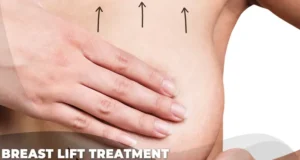
  1. Purpose: A breast lift is primarily performed to address sagging breasts by removing excess skin and reshaping the breast tissue to lift and reposition the breasts higher on the chest.
  2. Candidates: May include women whose breasts lost their elasticity and firmness due to pregnancy, lactation, weight fluctuations, age, or when such tendencies occur on genetic grounds.
  3. Results: The main results expected are a contour of the breast that is more youthful and firmer with a better central concavity. It does not change breast size and create volume.
  4. Procedure: It basically reshapes the present breast size and eliminates excess skin. Most of the time, implants are not deployed except when combined with augmentation for that extra volume.

Breast Augmentation (Augmentation Mammoplasty)

  1. Purpose: Breast augmentation helps to increase the size of the bust and augments the shape using implants or fat transfer.
  2. Candidates: This is a way of increasing bust size in women who wish to have fuller breasts or who wish to restore breast
  3. Results: The main result is that there is an increase in breast size and an enhancement in the shape of the breast. Major drooping is not significantly treated; rather, it requires a breast lift.
  4. Procedure: The implant procedure involves the insertion of manufactured implants, either of silicone or saline, under the breast tissue or chest muscle to achieve the desired design and dimension.

Deciding Between the Two </

  • If you want to address sagging: If the primary concern is sagging but size does not necessarily need to be increased, a breast lift is indicated.
  • If you want to increase the size: If the primary intent is to enhance the size and shape, especially if one is fine with the shape of the breasts but needs more volume, then breast augmentation is recommended.

Aesthetic-Mastopexy, Augmentation-Mastopexy: Occasionally, it is necessary to do both the lift and the breast shape reconstruction to achieve the desired overall breast size and shape.

In reality, your ideal approach would be based on your anatomy, goals, and preferences. If you are serious about breast enhancement through surgery, you must finalize a consultation with a board-certified plastic surgeon to have your situation evaluated, your goals discussed, and specific recommendations on the best procedure, or combination of procedures, to achieve your desired results safely and effectively. They evaluate the shape of your breasts, positioning of the nipples, elasticity of your skin, and volume of your breast tissue so that they can come up with the right plan for your needs.

What is done post breast implants surgery

With your breast implants having been put in place, there are some things to handle in the recovery and aftercare sessions. Here is an outline of what to expect post breast implants surgery.

  1. Immediate Recovery in the Hospital of Clinic:
    • After the surgery, you will stay for some while at the recovery area of the surgical facility. This is where you will be monitored by the medical staff as you do your initial recovery from anesthesia and surgery.
    • Later, when stable, the surgeon may discharge you on the same day if you are an outpatient, or may keep you admitted in the hospital for one or more days for observation if it is inpatient surgery.
  2. Early Post-Operative Period (First Several Days):
    • Pain and Swelling: Most patients experience some pain, swelling, and discomfort around the breast area.
    • Activity Restrictions: You will be advised to rest and restrict physical activities, avoiding tough activities and heavy lifting for a few weeks.
    • Drains and Dressings: Your surgeon might or might not have given you some drains to drain the extra fluid, and you will have dressings over the incision sites.
  3. First Week Post-
    • Follow-up Appointment: Normally, a follow-up appointment with your surgeon should be expected upon the first week to verify and clear drainage and dressings (the drains) and removal of the same.
    • Incision Care: You will be given instructions on incision care with guidelines on when to change the dressing, the method used to keep the incision areas clean and dry.
  4. Recovery and Healing (First Few Weeks):
  5. Activity Graduation: Your surgeon will recommend that you gradually get back to being active again
  6. Swelling and Bruising: In the weeks following the operation, any swelling and bruising will go away
  7. Supportive Garments: You’ll need to wear a surgical brassiere or even a compression garment in order to give you your new shape and to support the healing ul
  8. Scar Management: Your scars will mature and lighten in color over a period of time. You will may have some treatments or creams to assist in the scar maturation over the course of the following year.
  9. Additional Surgery: Some patients may decide to have additional surgery to further improve their results
  10. Follow-Up Visits: You will have periodic follow-up visits with your surgeon to monitor your progress › make sure wounds are healing properly › evaluate final outcomes of your scarring over time.
  11. Resuming Regular Activities: Most women are able to return to work and back to their regular activities in a week or two, depending on the nature of work as well as their own recovery period.
  12. Outcome:
    • End Results: The swelling may take upwards of several months to go down and your breasts to attain their ultimate shape and position.
    • Adjustment Period: You’ll get accustomed to your new breast size and shape over time. Any initial asymmetry or concerns should be discussed with your surgeon during follow-up visits.

Post-operative instructions from your surgeon are to be followed carefully at all times. If, during recovery, you have any questions or recognize symptoms that are not very common, you are encouraged to call the office of your surgeon for the proper information and support.

Breast Augmentation in istanbul turkey
Breast Augmentation Earlier than After

Augmentation Mammaplasty

Mammoplasty refers to surgeries that affect the shape and size of the breasts. These are surgeries done on people to either artificially increase the size of a female woman’s breasts or reduce the size of a man’s breasts. Breast augmentation surgery is aimed at increasing the size of a lady’s breasts by either using implants or transplanting the patient’s fatty tissues. The procedure is necessary for both girls and women to increase the volumes of their breasts, restore full.

This operation involves implants to increase the size and achieve contour in the breasts. The implants can be of silicone or saline, and they are incorporated either behind the tissue of the breast or under the muscle of the chest. Alternatively, fat grafting might be employed for a totally natural increase by transferring this from other parts of the body to the breasts.

After surgery, nearly all patients experience some minor pain and swelling that diminishes right in the first 2 weeks. Reinitiation of physical activities is limited, and the advice for postoperative care is useful for a sound rehabilitation and best results.

The final outcome of breast augmentation typically is in evidence by that time as the swelling continues to diminish, and the breasts begin to assume their new contours in their new position. All necessary follow-up care appointments with the plastic surgeon, who is board-certified and specializes in breast surgery, are critical.

Any interested candidates should be willing to talk openly about their intentions with the surgery and expectations together with their plastic surgeon, also of discussing their medical history. By choosing the best-qualified and experienced surgeon, the risks will be minimized and the right results reached efficiently .

Breast implants vs fat transfer which one is better?

Deciding on whether to go for breast implants or fat transfer to the breasts is entirely based on personal preferences, body type, and what is being aimed for when it comes to an end result. Here is a comparison to help comprehend how they differ from one another:

Breast Implants:

  • Material: The common materials used are silicone gel or saline-filled implants.
  • Procedure: The implants are inserted behind the breast tissue or under the chest muscle.
  • Volume Control: The implants provide complete control over the volume since they come in varying sizes.
  • Results: Often tends to provide more natural-appearing results and produces more predictable increases in breast size
  • Longevity: Techniques have evolved to make it a long-lasting solution, and the fat that does not resorb tends to stay for a long time. However, the increase in size due to the injected fat may be temporary as the body resorbs a portion of the fat over time

Fat Transfer:

  • Material: Uses the patient’s own fat harvested from other parts
  • Volume Control: Limited by the amount of native fat to harvest and transfer, thus might not allow for size increase as much as implants do.
  • Longevity: There can be some absorption of the fat, and reinjections might be needed; however, if the fat ends up with a good blood supply and survives in the long term, then the results could potentially be permanent.

Considerations:

  • Desired Outcome: While a moderate augmentation is desired, then fat transfer is effective. Otherwise, if a significant augmentation is desired, then the implants are effective.
  • Body Type: A favorable candidate for fat transfer is a patient with adequate fat resources for transfer, whereas implant is for anyone who requires more considerable volume correction.
  • Recovery: Recovery time can always vary; for the fat transfer, it’s double the procedure and you involve injections of the breast and liposuction. Implants are going to involve cuts and making adjustments for placement for the pockets created.
    • Consultation: Consultation about expectations, apprehensions, and medical history from a board-certjsonified plastic surgeon
    • Personal Preference: Your own desired result, how you would like your recovery, and your long-term goals
    • Safety and Expertise: Choose a good surgeon who is well versed with both the procedures to get personalized recommendations and optimum results Risks: Both of these procedures are equally associated with risks like

hhhThe decision of either getting breast implants or foregoing the idea lies upon the individual only.

Transform Your Look with Expert Breast Lift Surgery in Turkey

A breast lift, more popularly known as mastopexy, is performed surgically to elevate and reshape sagging breasts. Over time, various factors such as pregnancy, breast feeding, changes in weight, normal aging processeses, and constant gravitational pull can make breasts lose their firmness and elasticity, hence resulting in the drooping or sagging appearance.

The processes of breast lift involves

  1. Reshaping Breast Tissue: Surgeon excises the extra pores and skin and then reshapes breast tissue into youthful contour.
  2. Repositioning of the Nipple and Areola: The position of the nipple and areola, the darker area surrounding the nipple is relocated, if required, to the new position on the breast mound.
  3. Excess Skin Removal: All the extra skin that is causing the ‘sagging’ appearance is removed.
  4. Closure of Incisions: After the reshaping of breast tissue and repositioning of the nipple, the incisions are sewn up with sutures.

A breast lift generally attempts to restore a youthful, upright appearance to the breasts, enhancing shape and firmness. In point of fact, such procedures essentially do not change the size of breasts; however, it may be combined with augmentation, implants, or reduction if so desired.

Recovery time may vary but usually involves wearing a supportive bra, avoiding heavy activities for several weeks. Also, with any surgical procedure, there are risks and complications, so such need to be discussed with a board-certified plastic surgeon before determining if you will go forward with the breast lift.

A breast lift medically derives its definition from the word mastopexy, a surgical processes designed to raise and reshape sagging breasts.

What a breast lift usually aims at?

  • Lifts Sagging Breasts: With time, ingredients like pregnancy, breastfeeding, fluctuating body weight, aging, and gravity may make the breasts lose their elasticity and firmness, consequently leading to drooping or sagging. A breast lift elevates the breasts to a higher position on the chest, readministering a youthful and perky appearance.
  • Enhances Breast Contour: It reshapes the breast tissue to achieve an additional cosmetically more appealing contour. That means removal of extra skin and tightening of the remaining skin to enhance the shape and firmness of breasts.
  • Repositions Nipple and Areola: If needed, the surgeon readjusts the position of the nipple and areola to a more youthful and proportionate position on the breast mound. This will bring about symmetry and stability in the appearance of breasts.
  • Enhances Breast Proportions: Breast lift surgery can improve the overall stability and proportion of breasts in relation to the body, giving a better silhouette.
  • Boosts Confidence: Many women go for a breast lift in order to enhance their self-esteem and confidence by restoring the youthful, attractive appearance of the breasts.
breast lift surgery cost turkey

It’s important to note that a breast lift does not significantly alter the size of the breasts. If one desires larger or smaller breasts, a breast lift can be combined with breast augmentation, implants, or breast reduction surgical procedure, respectively.

Though, like all surgery, there are risks and concerns involved, such as scarring, changes in nipple sensation, and healing problems, these are to be discussed fully with a board-certified plastic surgeon in the processes of consultation. The time to recover from this surgery varies, with most patients getting back to normal activities after some weeks and after adhering to the surgeon’s post-operative care directions.

Among these nations, Turkey has grown to become one of the popular destinations for a breast lift and other cosmetic procedures due to a number of reasons:

High-Quality Health Infrastructure: In general, Turkey is home to well-modernized hospitals and clinics. Most of these facilities are well-equipped with state-of-the-art treatment technologies and facilities. Most of these conform to international standards and are accredited by some respected bodies.

They have highly trained and certified surgeons: Plastic surgeons in Turkey are well trained, with some intensively experienced in performing beauty surgical procedures like breast lifts. Most of the surgeons acquire training and certifications from prestigious medical institutions globally.

  • Value-Efficient Remedy: When in comparison with many Western international locations, the price of a breast lift surgical procedure in Turkey is usually on the decrease facet. This appeals to sufferers in search of high quality medical care whereas paying a less expensive value.
  • Medical Tourism Support: Turkey has been courting medical tourism, touting packages that include not only surgical procedure but also accommodation, transport, and sometimes even tourist activities. This makes it convenient for international patients seeking cosmetic procedures.
  • Privacy and Comfort: The Turkish healthcare providers give patient comfort and privacy equal concern, offering personalized care and attention throughout the entire surgical processes.
  • Shorter Waiting Times: In most cases, patients can get their breast lift surgery fairly soon compared with the waiting times in another country where there is a high demand for cosmetic surgery.
  • Tourism and Cultural Attractivities: Turkey is a country rich in cultural history and beautiful landscapes and historical places, which provide a lovely backdrop for recuperation and leisure after surgery.

Before patients choose Turkey for a breast lift surgical procedure, it is necessary to opt for a good clinic or hospital with licensed plastic surgeons. Also, the final consultation with the chosen surgeon to discuss expectations, risks, and recovery must be thorough to make sure of safety and success at the end.

Breast lift surgery, also known as mastopexy, is the same surgical operation performed in Istanbul as in any other part of the world, and it is carried out following standard surgical practices and modalities.

How breast lift surgery is usually performed?

Consultation and Pre-operative Preparation

  • Consultation: Patients visit a board-certified plastic surgeon in Istanbul for an extensive consultation before undergoing the surgery. During the consultation, the patient’s goals are discussed by the surgeon, the breasts are examined, and the possible operationd options are explained by the surgeon.
  • Medical Consultation: The latter includes taking a detailed medical history and running all the necessary tests or assessments to ensure the candidate is fit for surgical intervention.
  • Pre-operative Instructions: The patient gets instructions on how to set up for surgery, which shall include, among others, staying away from certain medications, fasting before surgery, and arrangements for transportation and post-operative care.

Anesthesia

  • Anesthesia: Breast lift surgery is performed under general anesthesia to ensure that the patient feels no pain and remains comfortable during the procedure.

Incision Placement

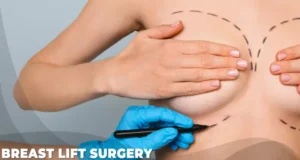
Incision Patterns: The incisions are primarily decided by the surgeon based on the approach used and correction to be made. Some common incision patterns are listed below.

  • Around the areola – the periareolar incision
  • Around the areola extending down vertically below it to the breast crease in a lollipop or vertical line
  • Around the areola extending down vertically below it and then over the breast crease in an anchor or inverted-T line

Reshaping Breast Tissue

  • Reshaping the Breast: Underlying breast tissue is lifted and reshaped to improve breast contour and firmness.

Repositioning the Nipple and Areola

  • Nipple and Areola Adjustment: The position and size of the areola are enhanced to keep it in proportion to the newly reshaped breast. Normally it is done with a reduction
  • Skin Removal: The excess skin causing sagginess is removed to give a more tightened look that gives a smooth finish to the breast shape.

Closure of the Incisions

  • Incision Closure: After doing a proper reshaping of the breast tissue and repositioning the nipples, the incisions have to be closed. The stitches are placed very carefully. Techniques like layered closure are applied to keep the scarring minimal.

Post-operative Care and Recovery

  • Monitoring: Patients are carefully monitored in a recovery area after surgery so they can safely wake up from anesthesia.
  • Post-operative Instructions: Patients are provided with specific instructions regarding how to take care of the incision sites, wear supportive clothing, appropriate surgical bras, how to manage discomfort, and scheduling follow-up visits with the doctor.
  • Recovery: Recovery time varies but usually involves staying away from heavy activities and allowing the body time to heal for a few weeks before returning to normal activities.

Follow-up Visits

  • Follow up: Patients will return for follow-up visits with their surgeon to check on their healing progress, address any concerns, and evaluate the final results of the breast lift surgical procedure.

Concerns

  • Choice of Surgeon: A patient should choose a surgeon who is board certified and has vast experience in conducting plastic surgical procedures related to a breast lift and one who practices in a good clinic or hospital in Istanbul.
  • Communication: Proper communication with the surgeon on the expectations, surgical techniques, risks, and recovery plays a critical role in the outcome yielded.
breast lift treatment price turkey
breast lift treatment price istanbul

The advantage of doing a breast uplift operation in Istanbul is that the medical services can be expected to be of very high quality, as likewise the surgeons are very high-profile; obviously, it benefits from a culturally rich, very nice location for restoration and leisure activities.

Generally, a breast lift is a cosmetic procedure and is not usually covered by medical health insurance. Basically, insurance categorizes breast lift surgery under the elective option, essentially because this type of surgical operation is conducted mainly to enhance the beauty of the breasts and not as a medical treatment processes.

Where is a breast lift likely to be partially or fully covered by insurance?

Medical Necessity:

    If the breast lift is deemed necessary for medical reasons to address severe asymmetry and if there is any chronic symptoms like pain or discomfort because of the pendulous breast, to that effect, insurance pays for it. You may be required to submit documentation from your plastic surgeon and other healthcare providers supporting the medical necessity.

  1. Mixed Procedures: If a breast lift is conducted on the side of another procedure that is medically necessary and insured, for instance, breast reduction for medical reasons like back pain, there will likely be partial coverage through an insurance plan for a breast lift part of the surgical processes.
  2. Insurance coverage Coverage Protection: Some insurance policies or plans may have special provisions for protection of breast surgery under certain circumstances. It is particularly important that you review your insurance coverage details and/or contact your insurance provider immediately on what is covered and the documentation requirements for potential protection against.
  3. Exceptions: Rarely will insurance companies even consider coverage for breast lift surgery in cases of breast reconstruction following mastectomy or other medically necessary reconstructive surgeries. Typically, this would include reconstruction after breast cancer treatment rather than purely cosmetic enhancement.
    Whereas a breast lift usually is not covered by insurance, prior to undergoing expecting insurance coverage, it’s important to fully discuss your condition with your plastic surgeon and clarify coverage details with your insurance provider. Many times, patients opt to finance cosmetic procedures independent of insurance coverage.A breast lift (mastopexy) is primarily performed to reshape and lift sagging breasts, thus enhancing their aesthetics. Although it is not directly aimed at alleviating back pain, there are situations in which breast lift surgery may indirectly alleviate or reduce back pain:
  4. Improved Posture: Poor posture may be partially caused by breasts that sag. Allowing this burden of weight to continually pull the shoulders ahead and downward. By lifting and reshaping the breasts to the next place on the chest wall, a breast lift may help to enhance posture. This can cut back pressure on the muscle mass of the higher again and shoulders, probably assuaging related discomfort or ache.
  5. Breast Reduction: Sometimes a breast reduction surgery can be a part and parcel of the breast lift surgery if the patient wishes to reduce breast size in addition to lifting. ”)
    Overlarge breasts may bear down on the neck, shoulders, and the muscles of the upper back, a consequence of it is chronic pain. A breast reduction with lift surgery reduces the size of the breasts and reshapes them, enabling the reduction of strain on the back and possibly a decrease in associated back pain.
  6. Individual Considerations: There is a case with every individual where breast size and body posture may lead to back pain.
    For some, it relieves them of the extra weight they carry on their chest, causing an overall light and less strain on the back. Nevertheless, you should consult with a licensed plastic surgeon and most likely even a healthcare professional specializing in musculoskeletal factors to determine if a breast lift or combined procedure could potentially relieve your explicit backache issues.

While a breast lift surgery is a mainly aesthetic procedure, its effects on the posture and distribution of weight in the breasts often work to the positive consequence in relieving the back pain associated with the condition. more information on realistic expectations and on how to discuss goals and concerns with your surgeon during the consultation processes.
There are other options to breast lift surgical treatment (mastopexy), depending upon your particular problems and goals.
Some alternatives of breast treatments that may be considered

  1. Breast Augmentation with Implants: If your main issue is breast volume rather than droop, augmentation with breast implants may be an option. This procedure improves volume and may provide you with some lift by selecting a slightly larger implant to then fill out the droopy breast tissue.
  2. Fats Grafting: Generally known as: Fats Switch, Lipofilling, is a method of taking fats from one a part of your physique the place you could have extra fats, from areas such because the stomach or thighs, and transferring it to the breasts to extend quantity and, doubtless, enhance form. It doesn’t elevate the breasts considerably, however it offers modest enchancment in contour.
  3. Breast Lift Bras and Apparel: These are specially designed bras and garments for apparently lifting and shaping the breasts. The products provide temporary improvement in the appearance of the breasts by changing the distribution of breast tissue and providing reinforcement. These are non-surgical means and do not reap permanent results; rather, they are daily wear options used by individuals temporarily.
  4. Non-surgical Pores and skin Tightening Remedies: Non-invasive therapies utilizing radiofrequency, ultrasound, or lasers can tighten free pores and skin to a level. These remedies are much less profound than surgical procedure in instances of great sagging however do present some outcomes for delicate sagging or as a period of upkeep following surgical procedure.
  5. Exercise and Physical Therapy: Improving the strength in the chest muscles and overall alignment through targeted exercises and physical therapy generally will somewhat improve—though not always completely—a change in breast support and posture. However, these methods are generally more effective preventatively than correctively on significant sagging.
  6. Acceptance and Body Positivity: It must be thought to be every individual just isn’t interested or desires surgery to handle beauty issues. Accepting one’s native body figure and focusing on body positivity and confidence can be a valid alternative to resorting to surgical interventions.

Please consult with a board-certified plastic surgeon before seeking any alternative to breast lift surgery services. They will evaluate your specific concerns, your goals, and recommend the most appropriate options based on your particular anatomy and desired outcomes.
breast lift surgery (mastopexy) almost always leaves permanent scars, but they tend to look better over time with proper care and healing.

Some critical things about breast lift scars

Location of Scars: The position and extent of scars depend on the surgical approach used:

  • Periareolar Incision: Around around the outside of the areola.
  • Vertical Incision: From the areola to the breast crease (lollipop incision).
  • Anchor or Inverted-T Incision: Combination of the periareolar, vertical, and the horizontal incisions at the breast crease.
  • Course of Scarring The scars may be pinkish and relatively thick or grainy during the young stage of wound healing, which is the first stage. This is an expected appearance. Within several months to one year, at the second stage, the scars typically flatten, lighten in color, and are not as prominent-looking.
  • Scar Care: Your physician will have specific instructions for how to care for your scars for the best possible healing.  Included in this may be:
    • Cleaning the areas of incision and keeping them dry
    • Application of the prescribed ointments or silicone-based scar gels
    • Avoiding the exposure of your scars to the sun to prevent disc
  • Person Healing: Features individual to you, like genetics, skin type, and how carefully you follow after-surgery care instructions may affect the scars appearance and how well they heal.
  • Long-Term Appearance: Scars never go away, but most of the time, they fade and will become less obvious. They can, in most cases, be well-hidden under garments and brassiere straps.
  • Expectations: You should prepare yourself for the scars that will occur after the breast lift. It would be wise to address this issue preoperatively so that you can understand just where and how the scars can be from one surgery to another following a certain technique that you decide upon together with the surgeon.

Overall speaking, breast lift scars are permanent, but they usually lighten over time, becoming less noticeable with proper care. Careful adherence to postoperative instructions from your surgeon will enhance the healing of the scars and reduce scarring to a minimum.
The possibility of breastfeeding after breast surgery, including mastopexy, depends on various factors, such as the type of surgery and the circumstances of the individual.

Here’s what to consider:

  1. Type of Surgery: Breast lift surgery usually requires breast tissue reshaping and nipple and areola repositioning. The extent of manipulation of any breast tissue and any incisions made during surgery could potentially affect breastfeeding ability.
  2. Nipple Sensation: Surgery that repositions the nipple can also interfere with the transfer of nerve and milk duct facilities involved in breastfeeding. There might be a loss of sensation in the nipple, or the milk ducts might be damaged, making things worse for the breastfeeding capacity.
  3. Milk Production: Breast tissue ablation or alteration during surgery may have a potential impact on milk production. The capacity to produce an adequate milk supply is dependent on the quantity of glandular tissue that remains and the patency of the milk ducts.

Individual Variation:

Everyone’s body responds differently to surgery. Some women in their pursuit to regain a perky look to their breasts will successfully breastfeed after the surgery, while others may get problems themselves or may not be able to breastfeed at all.

Surgeon Session: If you think about mastopexy and having a baby afterwards, then it is very important that during the consultation with your surgeon you talk about it. The professional will give you information regarding the methods of surgery, possible breastfeeding impacts, which will help you make the right decision.

Breastfeeding Help: If you have had breast surgery and plan to breastfeed, please visit a lactation consultant or breastfeeding Сounselor. They will show you guidance and support to help to maximize success – troubleshooting problems that would occur and make this time the best for you and your child.

Breastfeeding Assistance: If you had a breast NICU surgery and plan to breastfeed

So, while some women may breastfeed following a breast surgery, this is certainly not assured, and there are many factors involved therein, both in the surgical procedure and amongst individuals. Share your concerns and goals with your health care providers in order to make informed decisions about breast surgery and breast-feeding.

The time when you can safely drive after mastopexy varies and is dependent on many factors, including patient-specific recovery, type of procedure performed, and personal comfort.

  1. Post-Anesthesia Effects: The anesthesia administered during the procedure may make you feel drowsy, dizzy, or groggy subsequent to the operation. You should ideally wait until these effects have fully dissipated before driving. Usually, this is at least 24 hours after an operation.
  2. Ache and Discomfort: A breast lift involves incisions in and manipulation of breast tissue, therefore, you may experience aching, discomfort, and decreased motion during the immediate post-op period. Thus, you will need to feel relatively comfortable with moving your arms and have decent control over the steering prior to driving.
  3. Medication: Pain medication and muscle relaxants following surgery will have an impact on your ability to drive. Make sure to adhere to your surgeon’s instructions about medication use and how that may change your driving capabilities.
  4. Physical Limitation: There should be no limitation in the movement of turning the steering wheel due to the presence of bandages, dressings, or post-operative wear on your body.
  5. Post-op Appointment: It’s best to wait until after your first post-op follow-up appointment with your surgeon. They will check your healing progress, take out any stitches or drains if necessary, and even let you know when they will feel it’s safe for you to partake in activities like driving.

Most people are able to drive again after a week or two after a breast lift, but then there will be no restriction of pain relief medications in their system and the patient is comfortable and feels competent controlling a motor vehicle. There is always a variability in individual recovery times, though, so it’s always best to ensure that your safety is a priority throughout the time of your recovery and to follow the specific recommendations given by your surgeon in regard to physical activities and driving limitations for at least the first few days.
The timing for when it will be safe for you to practice again after breast lift surgery (mastopexy) is determined by your individual healing processes, your surgeon’s inputs, and the extent of the surgery that had been performed.

Rapid Publish-Operative Interval (First Few Days):

  • Handle light activities and ADL the body enough time to heal itself.
  • At the beginning, you need to rest for a few days and avoid any strenuous activities, including practicing.
  • First Few Weeks:
    • Most surgeons suggest to avoid intense exercise, heavy lifting, or any other type of activity needing much arm movements within the first 4-6 weeks after the surgery.
    • It is this stage when breast tissues are still healing and strenuous activity can strain the incisions or even affect the healing outcome.
  • Gradual Exercise Resumption:
    • After the first rehabilitative stage, which is approximately 4-6 weeks, you can gradually reinitiate the mild exercise.
    • Initiate a low exercise, like walking or gentle stretching, to see how the participant’s body reacts.
    • Keep an eye on your participant’s body and do not carry on exercises that generate chest or breast area discomfort or tightness.
  • Full Exercise Resumption
  • By this time, roughly 6 to 8 weeks post-surgery, most patients can return to more strenuous physical activities and exercise programs that include aerobic exercises, strength training, and participation in sports activities.
  • Incisions should be well-epithelialized, and you should have a clearance from your surgeon when you start to work out or engage in high-impact exercises or activities that entail significant chest movements.
  • Follow the Surgeon’s Advice:
    • It is important that you follow your surgeon’s specific direction and advice about when you can return to exercise and do activities again, which can include resuming sports or exercise.
    • Make sure you go to all of your follow-up appointments so your surgeon can monitor your progress and make sure you get his advice and instructions on exercise prior to leaving.
breast lift surgery mastopexy cost turkey istanbul
breast lift surgical procedure – mastopexy

Each particular person heals otherwise, so it is important to speak together with your surgeon and take heed to your physique all through the restoration course of. Staying affected person and progressively rising your exercise degree will assist promote optimum therapeutic and reduce the chance of issues.

Whether or not breast lift (mastopexy) or breast augmentation is “higher” relies upon solely in your particular person objectives, issues, and present breast anatomy.

Right here’s a comparability that will help you perceive the variations and concerns for every:

Breast Raise (Mastopexy):

  • Objective: A breast lift is primarily carried out to elevate and reshape sagging breasts. It doesn’t considerably change the dimensions of the breasts however improves their place on the chest and enhances their firmness and contour.
  • Candidates: Superb candidates for a breast lift usually have breasts which have misplaced quantity and elasticity resulting from components like being pregnant, breastfeeding, weight fluctuations, or growing older. They could have sagging breasts however are happy with their present breast measurement.
  • Process: Entails eradicating extra pores and skin, reshaping breast tissue, and repositioning the nipple and areola to the next place on the chest. Completely different incision patterns (similar to periareolar, lollipop, or anchor) are used relying on the diploma of ptosis (sagging).
  • Outcomes: Offers a lifted, younger breast look. Scarring is a consideration, however scars usually fade over time.

Breast Augmentation:

  • Objective: Breast augmentation is carried out to extend breast measurement and improve quantity. It entails inserting implants (silicone or saline) to realize fuller breasts.
  • Candidates: Superb candidates need bigger breasts or want to restore quantity misplaced resulting from weight reduction, being pregnant, or growing older. They could have breasts of any form, together with these which are naturally greater or decrease on the chest.
  • Process: Entails selecting the suitable implant measurement and sort (form, texture), and deciding on the position (beneath the breast tissue or beneath the chest muscle). Incisions are usually made within the breast crease, across the areola, or within the armpit.
  • Outcomes: Offers elevated breast measurement and quantity, enhancing the general form and proportion of the breasts. The outcomes are extra noticeable in clothes and swimwear.

Concerns:

  • Mixture Surgical procedure: Some people could profit from a mixture of breast lift and augmentation to handle each sagging and quantity loss.
  • Private Targets: Your required final result and aesthetic objectives play a big function in figuring out which processes is “higher” for you.
  • Session: Session with a board-certified plastic surgeon is essential to evaluate your anatomy, talk about your objectives, and decide probably the most applicable surgical method.

In conclusion, the choice between a breast lift and breast augmentation is dependent upon whether or not your major concern is sagging and reshaping (breast lift) or rising quantity and measurement (breast augmentation). Your surgeon might help you perceive the advantages, dangers, and anticipated outcomes of every processes primarily based in your distinctive anatomy and objectives.

breast lift surgical procedure (mastopexy) entails surgical manipulation of breast tissue and pores and skin, which may trigger discomfort and ache throughout the restoration interval.

Some features to think about relating to ache related to breast lift surgery:

  • Publish-Surgical Discomfort: After breast lift surgical procedure, it’s regular to expertise some degree of discomfort and ache across the surgical web site. This discomfort is often managed with prescription ache drugs initially, after which over-the-counter ache relievers as wanted.
  • Diversified Ache Ranges: The extent of ache skilled can fluctuate amongst people relying on components similar to:
    • The extent of the surgical procedure (e.g., the kind of incisions made, quantity of tissue manipulation).
    • Private ache tolerance.
    • Particular person therapeutic course of.
  • Preliminary Restoration Interval: In the course of the first few days after surgical procedure, you could expertise soreness, tightness, and swelling within the chest space. This could make sure activities, similar to elevating your arms or bending over, uncomfortable.
  • Managing Ache: Your surgeon will present particular directions on managing ache and discomfort post-operatively. This may increasingly embody:
  • Taking prescribed ache drugs as directed.
    • Making use of chilly compresses to scale back swelling and discomfort.
    • Utilizing supportive bras or compression clothes as beneficial.
  • Short-term Nature: Ache and discomfort after breast lift surgical procedure are often short-term and progressively enhance as you progress via the restoration course of. Most sufferers discover that discomfort considerably decreases inside the first week after surgical procedure.
  • Observe-Up Care: Attend follow-up appointments together with your surgeon as scheduled. They will monitor your therapeutic progress, handle any issues associated to ache, and supply steerage on progressively resuming regular activities, together with train.

It is essential to speak brazenly together with your surgeon about any ache or discomfort you expertise throughout your restoration. They will present customized suggestions and changes to your ache administration plan to make sure smoother restoration course of.

Each breast lift surgical procedure (mastopexy) and breast augmentation with implants are typically thought-about protected procedures when carried out by a certified, skilled plastic surgeon in applicable medical services.

Nonetheless, the protection concerns can fluctuate relying on a number of components:

Breast Raise Surgical procedure (Mastopexy):

  • Objective: A breast lift is primarily carried out to elevate and reshape sagging breasts by eradicating extra pores and skin and repositioning the nipple and areola.
    • Security Concerns:
    • Surgical Dangers: Like several surgical procedure, breast lift carries dangers similar to an infection, bleeding, and opposed reactivities to anesthesia.
    • Scarring: The processes leaves scars, which may fluctuate in look relying on the surgical approach used.
    • Therapeutic Points: Potential dangers embody delayed wound therapeutic or modifications in nipple sensation, although these are comparatively unusual.

Breast Augmentation with Implants:

  • Objective: Breast augmentation entails inserting implants (silicone or saline) to extend breast measurement and improve quantity.
    • Security Concerns:
    • Implant-related Dangers: Dangers particular to breast implants embody capsular contracture (scar tissue tightening across the implant), implant rupture or leakage, and modifications in breast sensation.
    • Lengthy-term Monitoring: Common monitoring is beneficial to test for implant integrity and any modifications in breast well being.
    • Aesthetic Considerations: Implants can affect breast look, together with symmetry and naturalness.

Selecting Between Breast Raise and Implants:

  • The selection between a breast lift and implants typically is dependent upon your particular person objectives, issues, and breast anatomy.
  • Mixture Method: In some instances, a mixture of breast lift and augmentation could also be beneficial to realize each elevate and elevated quantity.
  • Session with a Surgeon: It is essential to seek the advice of with a board-certified plastic surgeon who can consider your particular scenario, talk about your objectives, and advocate probably the most appropriate processes(s) primarily based in your anatomy and desired outcomes.

By way of security, each procedures have well-established security profiles when carried out by certified surgeons. The choice between breast lift and implants ought to prioritize your required aesthetic objectives, breast anatomy, and the suggestions of your plastic surgeon. They will present complete info on dangers, advantages, and anticipated outcomes that will help you make an knowledgeable resolution.

breast lift surgical procedure (mastopexy) is mostly thought-about protected when carried out by a certified and skilled plastic surgeon in a correct medical setting. Nonetheless, like every surgical processes, there are potential dangers and issues that you have to be conscious of.

These can embody:

  1. Anesthesia Dangers: Problems associated to anesthesia, similar to allergic reactivities, respiratory points, or opposed reactivities to anesthesia drugs.
  2. Bleeding: Extreme bleeding throughout or after surgical procedure, which can require extra procedures to regulate.
  3. An infection: Danger of an infection on the surgical web site, which may happen regardless of preventive measures similar to antibiotics.
  4. Poor Wound Therapeutic: Delayed wound therapeutic or wound breakdown, significantly on the incision websites. This could result in extended restoration and probably extra remedies.
  5. Adjustments in Sensation: Short-term or everlasting modifications in nipple or breast sensation, together with numbness or heightened sensitivity. These modifications can happen resulting from nerve harm throughout surgical procedure.
  6. Scarring: Though efforts are made to reduce scarring, all breast lift procedures lead to some extent of scarring. Scars could also be noticeable initially however usually fade over time.
  7. Asymmetry: Uneven or asymmetrical look of the breasts, which can require revision surgical procedure to right.
  8. Fluid Accumulation (Seroma): Assortment of fluid beneath the pores and skin on the surgical web site, which can must be drained via a needle.
  9. Deep Vein Thrombosis (DVT) and Pulmonary Embolism (PE): Blood clotting within the legs (DVT) or lungs (PE) can happen, particularly after extended durations of immobility following surgical procedure.
  10. Adjustments in Breastfeeding Potential: Whereas not at all times a priority, breast lift surgical procedure can probably have an effect on breastfeeding capacity, relying on the surgical approach used and particular person components.
  11. Surgical Revision: In some instances, extra surgical procedures or revisions could also be mandatory to realize the specified outcomes or handle issues.

It is essential to debate these dangers and any issues you’ll have together with your plastic surgeon throughout your session. Your surgeon will consider your medical historical past, talk about lifelike expectations, and supply detailed details about the processes’s dangers and advantages particular to your case. Adhering to your surgeon’s pre-operative and post-operative directions might help reduce dangers and promote smoother restoration.

Rhinoplasty Surgery: Everything You Need to Know About Nose Reshaping

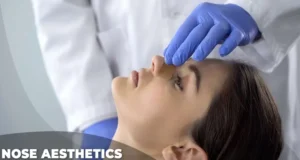
Nose job surgery, also known as rhinoplasty, is a cosmetic procedure designed to reshape or reconstruct the nose. It can be performed to enhance nasal appearance or improve breathing and airflow.

Key aspects of rhinoplasty surgery

  1. Aesthetic Enhancement: Rhinoplasty can modify nose size, shape, or symmetry. This includes reducing overall size, refining the nasal tip, correcting a crooked nose, or adjusting the nose-lip angle.
  2. Functional Improvement: Beyond aesthetics, rhinoplasty addresses structural issues affecting breathing, such as fixing a deviated septum (septoplasty) or reducing nasal turbinates.
  3. Procedure: Rhinoplasty is typically performed under general or local anesthesia with sedation. Surgeons access bone and cartilage through nostril incisions (closed rhinoplasty) or across the columella (open rhinoplasty), reshaping the nose by removing, rearranging, or adding tissue.
  4. Recovery: Post-surgery, swelling, bruising, and discomfort around the nose and eyes are common for days to a week. Nasal packing may support the new structure temporarily. Full recovery takes weeks to months as swelling diminishes and the nose settles.
  5. Consultation: Before nose operation, consult a plastic surgeon to discuss goals, assess nasal structure, and review risks and benefits.

Rhinoplasty is a complex procedure requiring careful consideration of both aesthetic desires and functional outcomes. Choose a qualified surgeon for safe, effective results.

Factors influencing rhinoplasty candidacy include both cosmetic and functional considerations.

  1. Cosmetic Concerns: Many individuals seek nose aesthetic surgery due to dissatisfaction with their nose’s size, shape, or symmetry. Common aesthetic issues include a prominent dorsal hump, a bulbous nasal tip, asymmetry, or nose proportions that don’t harmonize with the rest of their face.
  2. Functional Issues: Beyond aesthetics, rhinoplasty can address structural problems affecting breathing and nasal function. Candidates may struggle with breathing difficulties caused by a deviated septum, nasal valve collapse, or other anatomical irregularities that surgery can correct.
  3. Physical Health: Candidates must be in good overall health without medical conditions that could hinder healing or increase surgical risks. A thorough medical assessment precedes surgery to ensure the candidate can safely undergo anesthesia and the procedure.
  4. Emotional and Psychological Readiness: Realistic expectations about nose surgery outcomes are crucial. Candidates should be prepared emotionally for the changes in their appearance. Consultation with a qualified plastic surgeon helps clarify goals and manage expectations.
  5. Age Considerations: While there’s no strict age limit, candidates ideally should be fully grown with developed facial bones (typically around ages 15-16 for females and 17-18 for males). Younger candidates may undergo rhinoplasty if significant functional issues require correction.
  6. Motivation: Candidates should have clear reasons for seeking rhinoplasty, whether to enhance appearance, improve breathing, or both. The decision to undergo surgery should be voluntary and not influenced by external pressures.

rhinoplasty surgery cost turkey
nose surgery cost in turkey

Rhinoplasty is a decision that involves a great deal of thought after consultations with a qualified plastic surgeon. They first assess the needs and goals of the individual, followed by a review of his medical history in order to advise him on the appropriateness of performing a rhinoplasty and showing the risks as well as benefits pertaining to the individual.

Results from rhinoplasty surgery vary depending upon the goals, expertise of the surgeon, and anatomical factors.

Some general outcomes and expectations:

  1. Enhanced Nose Symmetry and Proportion: The nose aesthetic is to create a nose that is more balanced, symmetric, and proportionate to the other facial features. This can include reducing a large dorsal hump, refining a bulbous nasal tip, straightening a crooked nose, or adjusting the width of the bridge of the nose.
  2. Enhanced Facial Symmetry: Most of the people who undergo rhinoplasty do so in order to improve the overall appearance of the face. A gracefully done surgery will bring symmetry and harmony to the face, making it more beautiful in features and outlook.
  3. Functional Corrections: Rhinoplasty corrects structural problems of the nose that cause breathing impairment or other nasal functions. It can be performed to straighten a crooked partition inside your nose, called a deviated septum, to correct nasal obstruction, and to expand the air passage through the nostrils for easier breathing.
  4. Natural Appearance: Modern rhinoplasty techniques incorporate very natural results that blend harmoniously within the face. Advanced techniques are used in reshaping the nose while maintaining or improving its function, with preservation of ethnic and individual characteristics.
  5. Recovery Process: Immediately after surgery, patients experience swelling, bruising, and discomfort in the nose and eye areas. Swelling gradually resolves with time and begins to show the final result. Complete healing and stabilization of the shape of the nose typically happen over several weeks to months.
  6. Satisfaction and Confidence: Rhinoplasty, if done by the best surgeons, has a high satisfaction rate among patients. Patients have received more self-confidence and acceptance of their body after achieving the perfect shape of their nose in terms of its functioning and appearance.
  7. Long-Term Outlook: The results from rhinoplasty are usually long-term, even though the shape of the nose will change slightly as the person grows older. Following the post-operative care instructions and attending follow-up appointments will help to maintain results over time.

moreover, it is essential to keep expectations so realistic as possible and discuss goals with a certified plastic surgeon during the consultation processes. Each patient has tailored advice according to his/her unique anatomy and the desired outcome, where a plastic surgeon makes it clear that results achieved in nose surgery are attainable.

Rhinoplasty techniques vary considerably and depend on individual needs. It depends on nasal anatomy, desired changes, and surgeon expertise.

How Common Techniques and Considerations for Rhinoplasty Work

  1. Open Rhinoplasty: A small incision in the columella (the strip of tissue between the nostrils) and inside the nostrils is required. This method offers the best exposure and access to the structures inside the nose. It is particularly indicated in cases with complex deformities or big changes that are required. Precise adjustments for the nasal tip and dorsal structure are possible. However, recovery is a bit longer and some small scar on the columella may be more apparent.
  2. Closed Rhinoplasty: This involves incisions only inside the nostrils, after which no external scarring marks are left. It is more indicated for the less complex conditions where treatment involves the bridge of the nose and minor contouring work at the tip. Recovery time could be shorter than open rhinoplasty, and it requires a great degree of surgical skill since there is very little that can be seen.
  3. Tip of Nose Surgery: This is a method targeting refinement, reshaping, or repositioning nasal tip cartilages. It can be applied in both open and closed methods, depending on how complex the corrective work that needs to be done is.
  4. Septorhinoplasty: This combines nose surgery with septoplasty in correcting deviated septums, which will significantly improve nasal breathing. This shall be best done on those who have problems with both aesthetics and function.
  5. Revision Rhinoplasty: Entailing the improvement in the outcome of earlier surgeries, this procedure requires special techniques in view that the anatomy of the nose has already been altered.
  6. Non-Surgical Rhinoplasty: Temporary reshaping of the nose using injectable fillers, this non-surgical approach is best for minor adjustments. It yields immediate results with minimal downtime. The effects are thus short-term, requiring repeated treatments.

The type of rhinoplasty one will go for is dependent on individual factors, which include exact concerns, structure of the nose, desired results, and experience of the surgeon. Each case should be assessed by a board-certified plastic surgeon to decide upon a suitable technique to ensure that the treatment is performed efficiently and safely.

Turkey ranks very high in the world for its aesthetic surgery and, more so, rhinoplasty. Several hospitals and clinics in Turkey have earned a good reputation in nasal aesthetics.

Among them are:

  1. Acıbadem Healthcare Group: Acıbadem is among the biggest health provision groups in Turkey, with various hospitals spread all over the country. They are well known for their fully fledged cosmetic surgery services in general and nose aesthetics in particular.
  2. Memorial Healthcare Group: Memorial hospitals are among the most well-known entities in Turkey, well-equipped with the latest technologies in medicine and professional surgeons specialized in all kinds of aesthetic surgeries, including nose surgery.
  3. Medicana Hospitals Group: These Medicana Hospitals have modern hospital facilities. Having spent many years with experienced surgeons specialising in areas like Plastic and Reconstructive Surgery, they have a wide array of cosmetic treatments available.
  4. Estetik International: Having gained recognition for the high quality of their services regarding cosmetic procedures, Estetik International has several aesthetic clinics in all parts of Turkey and rhinoplasty is only one among many others of these offered services.
  5. Liv Hospital: This is a part of the Medical Park Hospitals Group, Liv Hospital in Istanbul delivers comprehensive medical and surgical care, offering top-notch cosmetic and plastic surgery services.
nose aesthetics rhinoplasty cost turkey
nose aesthetics

While opting for a hospital or clinic for nose aesthetics in Turkey, the institution’s reputation, qualification and experience of the surgeons, facilities available, and patient feedback take on prime importance. Consultations from several clinics will help discuss one’s goals and analyze the proposed treatment plans and, importantly, build trust in the healthcare provider. This is quite proper while deciding on nose surgery.

Rhinoplasty can be safely performed in the city of Istanbul, Turkey, these days. Nowadays, Turkey, especially Istanbul, has proven to be a prime location for medical tourism concerning cosmetic surgeries. Many attractive features allure medical tourists whose desired surgeries fall under the category of aesthetic surgeries.

  • Skilled Rhinoplasty Specialists: Istanbul can boast many excellent and highly qualified specialists prepared to perform the nose job. As a matter of fact, they trained for a long period of time in their country of origin, as well as abroad, and are usually the ones who obtain certification from the hands of the most reputable associations of plastic surgeons.
  • State of Art Medical Facilities: The most modern Hospitals and Clinics, fully equipped with the latest facilities, are located in Istanbul. Most of them follow international standards and provide excellent service and care to their patients.
  • Very Reasonable Cost: With reasonably lower charges for rhinoplasty in Istanbul than most Western countries, it has become a hotspot for people who want to get quality surgery without having to pay a premium price for it.
  • Supportive Infrastructure for Medical Tourism: Istanbul has a very well-built and thus responsive infrastructure catering to the specific needs of visiting medical tourists in regard to specialized travel services, accommodation facilities, and even additional patient care, making it an ideal atmosphere for nose aesthetics clients.
  • Expertise and Experience: Istanbul is home to highly professional plastic surgeons specializing in rhinoplasty. The majority of surgeons from this region have long-term practice and are well-trained, nationally and internationally; thus, they can skillfully perform nasal surgeries.
  • Quality of Care: Of course, hospitals and medical centers in Istanbul are equipped with modern medical technologies and correspond to the highest international standards. A patient is guaranteed that maximum attention will be paid to safety and comfort during the whole period of treatment.
  • Affordability: Compared to most Western countries, a rhinoplasty procedure in Istanbul will be more affordable while ensuring quality for cosmetic procedures at a lower cost.
  • Medical Tourism Hub: Istanbul is one of the largest medical tourism hubs in the world, facilitating all types of services needed by visiting patients, from travel to accommodation arrangements.
  • Cultural Variety and Beauty: Istanbul’s rich cultural history will allow visiting patients the opportunity to visit historical places and enjoy a great variety of food amidst the surgical visit.
  • Accessibility: Istanbul is the central location, very well connected by air, thus making access easy for international patients who come for rhinoplasty. Many clinics offer support services for their patients, like language translation and help with travel arrangements.
  • Positive Patient Experiences: Most of the patients who go to Istanbul for rhinoplasty express satisfaction, relating good quality care and positive results.

Choosing Istanbul for a nose surgery trip means not only expert care throughout your surgery but also ultra-modern facilities, very affordable prices, and richness in culture. One should do their own homework, looking out for a trustworthy surgeon and facility. Be sure with the surgical procedure from A to Z.

Rhinosurgery cost differs for each case, depending on many things such as location, expertise of the surgeon, and how complicated one’s procedure is. While in low health expenditure countries, the price may be pretty cheap, remember that safety and quality are always first.

Where to Find Affordable and Quality Nose Surgery Abroad?

  • Turkey: Istanbul, being a great city of Turkey, is very famous for its nose surgery treatment since it provides high-quality rhinoplasty at very pocket-friendly rates. Scores of people come to this city of Turkey to get the cosmetic surgery at affordable rates.
  • Thailand: With high regard in the field of medical tourism, Thailand does provide good prices for nose surgery without compromising on the standards of care.
  • India: Major cities like Delhi, Mumbai, and Bangalore have institutions that offer rhinoplasty at various costs for people visiting or traveling from other parts of the world.
  • Mexico: Moving on to Mexico, cities like Tijuana and Cancun provide options with affordable nose aesthetic surgery; at this place, medical facilities can give a very competitive price.
  • Colombia: Bogota and Medellin are known destinations in Colombia, known for very brilliant surgeons who render their cosmetic procedures like rhinoplasty at an affordable price.

The countries in Eastern Europe, like Poland, Hungary, and the Czech Republic, offer rhinoplasty at very affordable rates along with quality medical care.

rhinoplasty nose aesthetics istanbul turkey
rhinoplasty nose aesthetics istanbul turkey 

When considering rhinoplasty abroad, prioritize safety, quality of care, and the credentials of the surgeon and facility. Thorough research, reading reviews, and consulting reputable surgeons are crucial steps to ensure a safe and satisfactory outcome.

Rhinoplasty can potentially address snoring caused by structural issues in the nose that affect airflow. Structural obstructions or narrowing in nasal passages and the throat during sleep are common causes of snoring.

How rhinoplasty can tackle snoring issues?

  1. Septoplasty: Addressing a deviated septum, septoplasty within rhinoplasty can straighten the septum, enhancing nasal airflow. This helps in reducing nasal obstruction and potentially lessening snoring.
  2. Turbinectomy: Dealing with enlarged nasal turbinates, turbinectomy or reduction can ease nasal congestion and improve airflow, benefiting nose aesthetics.
  3. Nasal Valve Collapse: Strengthening weak nasal valves during inhalation prevents collapse, enhancing nasal airflow and alleviating obstruction.
  4. Nasal Structure Optimization: Reshaping the nose optimizes nasal airflow pathways, potentially reducing breathing resistance and turbulence, which can contribute to minimizing snoring.

It should be kept in mind that snoring is not merely an anatomical problem with the nose, but it can have many other causes like obesity, alcohol use, sleeping position, or anatomy of the throat. While nose surgery addresses only the nasal causes, it cannot assure complete eradication of snoring in all cases.

If you’re concerned about snoring, then you should see a board certified otolaryngologist or a rhinoplasty-trained plastic surgeon who can evaluate your nasal anatomy and discuss the causes of your snoring.

During the recovery period, carefully follow-up instructions given by your surgeon are of vital importance. This includes compliance with prescribed medications, attending scheduled follow-ups, keeping away from activities that may have effects on the nose, and keeping optimal hygiene for the nose area. Recovery experiences can vary widely among individuals; hence, patience is called for to let your body recover fully for a desired nose aesthetics.

The “best” rhinoplasty surgeon is subjective, as it depends on personal preferences, needs, and geographic location. That being said, there are some key considerations that will lead the way in searching for a well-rounded and qualified professional dealing with rhinoplasty:

  1. Board Certification: Look for surgeons certified by boards in plastic surgery or otolaryngology; board certification indicates enormous training in one’s specialty and is followed up by the passage of comprehensive exams.
  2. Experience and Expertise: While looking for rhinoplasty surgeons, go for those with sufficient experience and who deal only in rhinoplasty. A record of the number of patients previously treated where success was achieved will increase the chances of getting both proper aesthetics and functionality.
  3. Reputation and Reviews: Review the reputation of a surgeon according to his feedback from his patients, reviews, or his before-and-after pictures. If the reviews are positive, this shows the satisfaction of the patient’s side and the competence of the surgeon’s side.
  4. Hospital Affiliations and Facilities: Take note of the quality of surgical facilities and hospital affiliations. Advanced technology with the backing of a competent support staff ensures a safe and efficient surgical outcome.
  5. Communication and Comfort: Select a rhinoplasty surgeon who is interested in your concerns, explains procedures and results thoroughly, and shares your aesthetic goals.
  6. Ethical Standards and Safety: Safety comes first, so your choice should be a surgeon who has followed ethical standards all through, with properly accredited facilities. The key to the first consultation for surgery is the exact elucidation of the risks associated with surgery and aftercare to patients.
  7. Continuous Education and New Ideas: You need a surgeon committed to continuous professional development, using modern techniques in rhinoplasty. Such active involvement in educational programs through which the surgeon improves knowledge and upgrades his skills is a hallmark of excellence.
    The right rhinoplasty surgeon is found through much research, several consultations with different doctors, and by following an intuition. One may consult a trusted healthcare provider or even a person who went through the processes very successfully.

Enhance Your Look with Eyebrow Lift Surgery: Procedure and Benefits Explained

An eyebrow lift, also known as a forehead lift or brow lift, is a cosmetic surgical procedure in which the eyebrows are raised in order to reduce creases of the forehead and frown lines. The appearance of the forehead and the upper eyelids look much younger since the sagging brows are rejuvenated and forehead creases smoothened.

Overview of the Eyebrow Lift Procedure

Types of Brow Lifts:

Traditional Eyebrow Lift: The incisions for this type of eyebrow lift run along the hairline and at times even in the scalp itself to raise both the forehead and the brows, starting usually from ear to ear. Endoscopic eyebrow lift: Smaller incisions are made, and a tiny camera is inserted to raise the tissues of the brow and forehead. Since it is the least invasive method, it tends to have less scarring and ensures faster healing.

Surgical Techniques:

He elevates and repositions the tissues over the forehead and the muscles beneath in an ideal position to make the brow smoother and higher. This may be accompanied by excision of excess skin to get rid of the wrinkles on the forehead and give a younger appearance. Advantages: Young and Elevated Eyebrows: Eyebrows assume a more youthful position, thereby widening the eyes and obliterating the presence of looks that are constantly angry or in perpetual search of sleep. Smooth Forehead: This entails the eradication of sinews or forehead wrinkles, frown lines—glabellar lines—horizontal creases. Recovery:

Some bruising and swelling with discomfort may occur, which is short-term and subsides on its own in a few weeks.

The removal of stitches happens within 7-10 days after surgery.
Return to full activity and final results in appearance take several weeks to months.

Considerations

An eyebrow lift is often performed alone in many but can be combined with other procedures such as eyelid surgery or facelift for total facial rejuvenation.

The ideal candidate is one in good general health, with realistic expectations about the outcomes of the procedure. Consultation: During the initial consultation, the surgeon examines facial anatomy, discusses goals, and suggests the correct brow-lift technique best suited to the particular individual’s needs.

An eyebrow lift can restore a more youthful and refreshed appearance to individuals concerned about sagging eyebrows and furrows across the forehead; this surgery achieves improved balance in facial features and increased self-confidence.

A brow lift, also referred to as a forehead lift, is a plastic surgery procedure that can be done in different manners, based on the individual patient’s needs and the surgeon’s preferred technique. Below is a general idea of how a standard browplasty procedure might be conducted:

Typical Browplasty Surgery

Anesthesia: Mostly carried out under general anesthesia or intravenous sedation with supplementary local anesthesia.
Site for the Incisions: The incisions are done :
Coronal Brow Lift: An incision is made from one ear across the top of the scalp, in a line hidden within the hair, to the other ear. This allows the skin and tissues of the forehead to be lifted, and the excess skin to be removed.
Hairline (Trichophytic) Brow Lift: An incision is made at or just behind the hairline. This particular approach is excellent for people who have relatively higher hairlines or who worry about their hairline being pulled back.
Endoscopic Brow Lift: Several small incisions, usually less than an inch, are made within the hairline. Endoscope—camera equipped thin tube, inserted through one of these small incisions, assists in visualizing and repositioning forehead tissues.
Tissue Adjustment: In a traditional brow lift, forehead skin and underlying tissues are repositioned, including muscles causing wrinkles and furrows.

For an endoscopic procedure, endoscope guides tissue lifting and repositioning using specialized tools.

Removal of Extra Skin: Excess skin is trimmed to provide a smoofer forehead and to reduce wrinkling. The remaining skin is re-draped and sutured into position.

Closure: Sutures, staples, or sometimes surgical clips are used to close the incisions.
Surgical dressings or bandages may be applied to the incision sites to provide protection and minimize swelling.

Recovery: Monitoring of the patient in the recovery area until the effects of anesthesia wear off.
Post-operative care instructions include how to take care of the incision site, manage pain, and when to come for follow-up visits.

Advantages of the Endoscopic Brow Lift

Less invasive, with smaller incisions that result in less visible scarring, which may translate into faster recovery times.
Faster Recovery: Usually is associated with less post-operative swelling and discomfort compared with traditional brow-lift techniques.

Things to Remember: Final Results: The final results can take several weeks to months to appear completely, when most of the swelling has resolved and tissues have settled.

Combined Procedures: Brow lifts are often performed along with other rejuvenation procedures on the face, like blepharoplasty or even facelifts, with a view to rejuvenation of the entire face.

Brow Lift Eyebrow Lifting Surgery Istanbul Turkey
Eyebrow Lifting Surgery

Choosing a board-certified plastic surgeon with experience in the techniques used in brow lifts will go a long way in mitigating a number of possible risks associated with the procedure and achieving optimal results.

Now, whether a brow lift is “worth it” depends on individual aesthetic goals and expectations about specific concerns in appearance. There are key factors to consider. These are the:

Pros of Brow Lift Surgery

  1. Rejuvenated Look: This procedure raises sagging brows, smoothes out wrinkles on the forehead, and diminishes frown lines at the space between the eyebrows, returning a rejuvenated look and years younger.
  2. Amelioration of Facial Symmetry: Lifts sagging or drooping eyebrows and corrects facial asymmetry, thereby offering symmetry and balance in the face.
  3. Boost in Confidence Level: Enhances self-esteem and satisfaction with one’s appearance, especially in those troubled by drooping eyebrows or furrows on the forehead.
  4. Long-term Results: Generally offers long-term results, sometimes for years.
  5. Combination with Other Procedures: Sometimes done in combination with other surgeries like eyelid surgery and facelifts to regain a youthful appearance of the entire face.

Things to Consider

  1. Surgical Risks: Obvious, but with any surgical procedure, the risks will always include potential infection, bleeding, scarring, and anesthesia complications. These can be minimized by using a board-certified plastic surgeon who is facile with performing the procedure.
  2. Recovery Time: Patients should expect that the actual recovery time for the brow lift surgery could take a few weeks, during which time one may occasionally feel a bit of swelling and bruising. One needs to plan recovery time for healing.
  3. Cost: The overall cost of a brow lift depends to a great extent on the expertise of the surgeon, geographical location, facility fees, and the charges for anesthesia. Hence, patients are faced with the necessity of considering whether this expenditure in money finds a place in their priorities and budget.
  4. Realistic Expectations: The patient must also be aware that realistic expectations are necessary for the brow lift. As much as a brow-lift operation could present exemplary results, it will never really stop the processes of aging or prevent future changes from occurring in the face.

Decision Making

  • Consultation: You should have a consultation with a board-certified plastic surgeon to discuss concerns and goals to determine if a brow lift is appropriate for you as a patient.
  • Personal Satisfaction: What really matters is how much improvement the brow-lift has brought in life quality and satisfaction in appearance.
Eyebrow Lifting Surgery Eyebrow Transplant
Eyebrow Transplant

Considering the benefits, together with the considerations and possible risks involved, one can make an informed decision as to whether a brow lift is the right thing to do regarding cosmetic goals and expectations with the guidance of a skilled surgeon.

A brow lift surgery in Turkey can be safe and effective if all precautions and considerations are duly taken. Here are some considerations about the safety of undergoing a brow-lift surgery in Turkey:

  1. Highly Skilled Surgeons: Turkey boasts some highly talented and experienced plastic surgeons who hold high specialization in surgical procedures related to cosmetic surgery, including eyebrow lifts. You should look for a board-certified surgeon with experience performing brow lifts; he or she also should be associated with prestigious medical associations.
  2. Large cities in Turkey, such as Istanbul, have ultramodern hospitals and clinics that help people from all over the world with cosmetic surgeries. Most of these facilities thus meet international standards of hygiene, safety protocols, and patient care.
  3. Reviews and Testimonials: Patients are encouraged to go through reviews and testimonials of past patients who have gone through similar procedures before choosing a surgeon or clinic in Turkey. This way, they can draw on the experiences of others regarding the quality of care, satisfaction with results, and the kind of patient experience one is likely to have.
  4. Consultation and Communication : Have an appointment with the surgeon you selected for the eyebrow lift operation. This will help to clearly set out your objectives, expectations, risks involved, and the processes of recovery. Proper communication helps in procedure individualization.
  5. Medical Tourism Considerations: Turkey in itself has been termed very competitively priced with regard to cosmetic procedures vis-à-vis most countries of the West. While cost-effectiveness is a factor, it need not compromise quality in care or bring down safety standards. Ensure that the surgeon and facility chosen are focused on patient safety and welfare above all else.
  6. Travel and Post-Operative Care: Plan your travel logistics ahead of time by securing accommodations and post-operative care. It might be required that a patient should stay in Turkey for some time after the surgery for follow-up appointments and to heal properly.
  7. Risks and Complications: Brow lifts, being a form of surgery, have certain potential risks. They can result in an individual suffering infection, bleeding, complications from anesthesia, and possibly unsatisfactory results. This means that it is necessary to understand the risks in detail by knowing the modes of management that a surgeon and other medical professionals take in handling.

It may be quite safe to undergo brow lift surgery in Turkey; many talented surgeons prepare this kind of operation in very high-class medical facilities. Thorough research and careful selection of a well-qualified surgeon and clinic are due. With these precautions, backed up by the right kind of information, chances of having a successful and satisfying experience of undergoing a brow lift procedure in this country could be increased.

A good candidate for an eyebrow lift, otherwise referred to as a brow or forehead lift, will typically possess characteristics and concerns that can be rectified appropriately by the procedure.

Here are the key factors that make someone a suitable candidate for an eyebrow lift:

    They often have brows that are lower than they should be, which adds to the impression of fatigue, anger, or being old. An eyebrow lift does reposition the brows in a more youthful and aesthetically desirable location. Candidates frequently cite the following areas of concern:
  • Sagging or Low Brows: Candidates often have brows that are lower than desired; this contributes to a tired, angry, or aged appearance. An eyebrow lift will elevate the brows to a more youthful and aesthetically pleasing position.
  • Forehead Wrinkles and Furrows: Candidates often point out deep horizontal forehead wrinkles or vertical frown lines, known as glabellar lines, between the eyebrows, which they desire to either minimize or eliminate altogether.
  • Good General Health: Applicants should enjoy overall good health, free from any health condition that may create a problem in the healing processes or augment surgical risk. Only through a thorough medical evaluation by a plastic surgeon can a patient be declared fit to undergo surgery.
  • Realistic Expectations: One should have realistic expectations about the results of any eyebrow lift. While the procedure can achieve substantial improvements in the position of the brows and facial appearance, it does not stop the natural aging processes nor prevents future facial changes.
  • Non-Smoker: Smoking can negatively impact healing and increase the risk of complications after surgery. Candidates are generally advised to quit smoking several weeks before and after the procedure.
  • Age Consideration: No exact age limit is marked for undergoing the eyebrow lift; sub-examples may range into their 40s to 60s. Young people suffering from a congenital brow ptosis, however, or manifesting early on an acquired brow ptosis can also benefit from the operation.
  • Balance and Harmony of Face Structure (Facial Symmetry) >: In fact, the majority of patients desiring an eyebrow lift aim to achieve facial symmetry and balance. It can be always performed in combination with other facial rejuvenation surgeries such as blepharoplastie or even a facelift in order to comprehensively enhance the face.
  • Structural Changes: The basic aim of a brow lift procedure is to reposition and lift the brows to a more youthful and smoothing position. Surgical techniques involve manipulation of the forehead tissues and muscles and, at times, removal of excessive skin. Such changes are structural in nature and are thus permanent.
  • Aging Process: While a eyebrow lift corrects current drooping and wrinkles, it does not prevent the natural processes from remaining at bay. Things such as gravity, loss of skin elasticity, and changes in facial volume can, over time, cause the forehead and brows to appear different.
  • Longevity A brow lift’s effects are, in the main for most people, long-lasting—on average, with the duration of five years and upwards. Of course, that has highs and lows depending on different individual factors such as inheritance, lifestyle, and skincare habits.
  • Maintenance: For long-term results of an eyebrow lift, the patient must follow the post-operative care advised by a surgeon. This might include avoiding exposure to the sun and adhering to a strict skincare regime, and the occasional relaxing botulinum toxin injections to ensure the muscles in the forehead retain their smoothness.
  • Revision Surgery: Some patients may decide to have revision surgery years later to fix new signs of aging or to show improvement in results, which would involve further lifting or adjusting techniques to bring out the desired aesthetics.Consult with a Plastic
  • Surgeon: Schedule an appointment with a board-certified plastic surgeon who is trained in facial rejuvenation. During the consultation, he will evaluate the anatomy of your face, review cosmetic goals, and tell you which brow lift technique will work best for your personal needs.

Ultimately, this eyebrow lift should be done with the proper plastic surgeon—one who will confirm a person’s candidacy by carefully examining facial features, goals of the procedure, and any medical history. Detailed discussion of expectations and possible risks, plus guidelines for recovery, is necessary to ensure success from the procedure.There are several compelling reasons that make choice of eyebrow lifting, or any cosmetic surgery for that matter, in Turkey appealing:

Highly skilled plastic surgeons who usually have international training and experience in carrying out all sorts of cosmetic procedures on the eyebrows. Most of the surgeons in Turkey are advancedly experienced and keep up with the innovations in aesthetic surgery.

Cost-Effectiveness:

Cosmetic surgery in Turkey generally comes at a cost that is often cheaper than that in countries in the West, e.g., the United States of America, Canada, or those in Western Europe. This cost advantage further applies to procedures like eyebrow lifts, making it all the more interesting for patients wishing for quality at a lower price.

  1. Contemporary Medical Infrastructure: Most of the bigger cities in Turkey—more so, in Istanbul, one of the greatest historic cities in the world—contain ultramodern hospitals and clinics, fully furnished with the latest technology and facilities to meet international standards of hygiene, safety, and patient care at home.
  2. Medical Tourism Infrastructure: Turkey, especially Istanbul, has developed a strong medical tourism infrastructure that caters to patients from abroad. Services normally consist of assistance in making travel arrangements, transfers from and to airports, options for accommodations, and language interpretation—such services are offered to ensure that the experience is smooth and free of trouble for patients traveling from far-off places.
  3. Reputation and Reviews : A lot of the patients who have gone to Turkey for their cosmetic surgical needs, which includes eyebrow lifting, have left so many reviews and ratings online. What this would then portend is satisfaction with the results one gets, professionalism among the staff, and the overall experience of getting surgery in Turkey.
  4. Cultural and Touristic Appeal: Turkey is not only popular for medical purposes but also culturally historical—with its ancient sites, its dynamic cities, and variegated cuisine. Patients therefore often combine their visit to a medical purpose with some leisure time and opt for sightseeing, adding value to the whole experience.
  5. Accessibility: Geographically, Turkey is easily accessible from Europe, Asia, and the Middle East. All major airlines fly directly to Istanbul and other cities, making international travel convenient for patients who come for cosmetic surgery.
  6. Regulatory Standards: The Ministry of Health governs the healthcare system in Turkey, and it also provides standards that guide the execution of medical practices. Some reputable clinics and hospitals adhere to these regulations, therefore securing safety and quality for their patients.

Before making their decision on choosing Turkey for eyebrow lifting or any other cosmetic procedure, patients have to undergo in-depth research, choose a qualified and board-certified plastic surgeon, and finally, during consultation with the surgeon, convey their expectations and concerns openly. The approach will, as such, be bound to result in safety and satisfaction along with optimal surgical outcomes.

An eyebrow lift is so far permanent; otherwise it gives long-term results but is permanent as such since the operation procedures cannot hinder the ageing processes. Here are points to consider with respect to how long an eyebrow lift lasts;

Bichectomy Surgery: What to Expect, Benefits, and Risks Explained

Bichectomy surgery, also known as buccal fat removal, is one among the cosmetic surgical processeses. It shrinks the size of cheeks by taking away extra fat from both buccal fat pads located infra-cheek region to form the facial fullness. Mainly, bichectomy is implemented for the purpose of giving a slim and more natural look to the face by reducing its cheeky appearance.
The following is a general guideline for the bichectomy processes:

Procedure:

A Bichectomy is mainly done with local anesthesia on an outpatient basis. At this point, the surgeon will make tiny incisions inside the mouth, usually at the area of the molars, and gain access to the buccal fat pads.

  1. Fat Removal: The surgeon removes part of the buccal fat pads. The amount of fat removed varies from patient to patient, depending on anatomy and desired result. The aim is to trim this fullness in the cheeks without the loss of natural contours.
  2. Closure: Once the desired amount of fat has been removed, the incisions inside the mouth are closed using absorbable sutures.
  3. Recovery: Recovery from bichectomy takes relatively a short time, and few days postoperative, most of the patients are back to routine activities. Swelling and discomfort in the cheek area are common in the beginning and can last for several weeks.
  4. Results: Results from bichectomy are usually visible after the oedema has resolved, usually around some weeks to months later. Patients often achieve a much more chiseled appearance in the area of the cheeks, which refines contours of the face.
Bichectomy Surgery Cost Turkey

Bichectomy surgery is considered safe as long as it is performed by a well-trained and experienced plastic or by an oral and maxillofacial surgeon. One should consult with a healthcare expert to have their case be evaluated for suitability for this procedure and discuss realistic expectations of results.

Bichectomy surgery, otherwise known as buccal fat removal, is a cosmetic procedure that eliminates the excess fat in the buccal fat pads to reduce the size of the cheeks.

Here is a detailed explanation of what happens during bichectomy surgery

  1. Consultation: At this stage, you will meet with a qualified plastic surgeon or oral and maxillofacial surgeon. The following will be discussed during the consultation:
    • Your facial anatomy will be analyzed and the amount of fat that can be safely subtracted is decided.
    • Your expectations and the doctor’s recommendation about the surgery are discussed.
  2. Anesthesia: Bichectomy
  3. Incisions: The incisions are made inside the mouth close to the molars, usually on both sides. This method guarantees that there are no scars on the face once the surgery is completed.
  4. Access to Buccal Fat Pads: The buccal fat pads that develop in the lower part of the cheeks, below the cheekbones, are carefully situated through the incisions, and access is prepared in order to be able to cut through the fat.
  5. Fat Removal: The surgeon carefully removes part of the buccal fat pads using specialized instruments. The quantum of fat removed shall depend upon the anatomy of the face of the patient and the desired result. The objective is to depict a thinned, smartened, and contoured look in the cheeks while preventing an unnatural and hollow look on the face.
  6. Closure: After the needed amount of fat has been removed, these incisions done in the mouth are closed with self-dissolving stitches. This is done to ensure minimal visible scarring at the end of it all for the patient with minimal scarring.
  7. Recovery: The recovery period for a bichectomy surgery is relatively quick, and most patients are discharged on the same day. On the other hand, there might be a certain level of swelling and some discomfort in the region of the cheeks in the initial periods, dissipating gradually over a few weeks. The surgeon will issue directives in terms of post-recovery care, with specific restrictions on diet and activity, respectively.
  8. Results: The results of the bichectomy surgery are evident after swelling goes down, typically after a couple of weeks to months. Often, patients end up having more definition and sculptural value in the cheek area, thus benefiting facial volumes and symmetry.
  9. Follow-up: Follow-up visits with your surgeon will be scheduled to check on your progress of healing and to make sure that you are gratified with the surgery’s results.

Make sure you pick a competent and experienced surgeon for bichectomy surgery with little risks and to attain great results. Discuss anything worrying you during consultation and also make sure that you have been clearly explained a full overview as to what you could expect before, during, and after the surgery.

Bichectomy surgery, also known as buccal fat removal, is a surgery that intends to decrease the size of the cheek by reducing excess fat from the buccal fat pads.

What can one expect in terms of typical results from bichectomy surgery?

Facial Contouring

The Procedure is available to help is getting a more chiseled, and better-contoured look of the face mainly in the region of the cheeks. Taking the buccal fat pad’s removal of fat helps in reducing the fullness, thus making the cheeks appear slimmer.

Cheek Definition
After bichat fat removal, most patients witness an improved cheekbone definition and a more acutely distinct jawline. Since the fullness of cheeks is taken down a notch, it creates a more angular appearance, more pleasing, and aesthetically defined facial contour

  1. Facial Symmetry Improvement: Bichectomy surgery could be the answer for those with round or chubby cheeks to improve overall facial proportions. This is attained by decreasing extra soft tissue in the lower cheeks, giving the face a balanced look that provides harmony within the facial features.
  2. Restored Youthfulness of the Face: Bichectomy surgery is an operative procedure indicated in cases of facial fullness and even in aged cases to achieve facial rejuvenation by treating a “baby face” appearance or round face structure.
  3. Enhanced Facial Symmetry: A lot of clients say an enhancement in facial symmetry with the help of bichectomy surgery, since it lets the facial fat spread at the right place and contours the face on each side uniformly
  4. Minimal Scarring: Since the bichectomy surgery is operationd through tiny cuts within the mouth, in most cases, there is no visible mark of scarring on your face, and this leads the outcome to be so natural that there are no marked external signs of the surgical procedure
  5. Permanent Results: The results after bichectomy surgery are mostly permanent, since the removed buccal fat pads do not grow again. Though it is so, natural aging and changes in weight still act upon facial appearances through time.
Bichectomy Surgery Hollywood Cheeks Cost and Price Istanbul Turkey
Hollywood Cheeks Istanbul

One should have realistic expectations for the results that bichectomy surgery can deliver. The results do vary from person to person, considering facial anatomy and skin elasticity, or even the amount of fat removed during the procedure. A consultation by a well-trained plastic surgeon or oral and maxillofacial surgeon will define whether bichectomy surgery is appropriate for your aesthetic goals.

Bichectomy, or buccal fat removal, also called as “Hollywood Cheeks,” seems to be quite a safe surgery performed by an adequately trained and experienced plastic surgeon or oral and maxillofacial surgeon. However, like every other surgery in the world, there may be a few potential risks and considerations one needs to be aware of:

  1. Potential Risks: Some complications following bichectomy surgery include:
    • Infection at the incision sites inside the mouth.
    • Bleeding or hematoma formation.

    Nerve damage can cause temporary or permanent numbness in the cheeks or mouth. Asymmetry or uneven results, especially in the case of too much or too little suction of fat. Aesthetically unsatisfactory results.

  2. Skill and Experience: Surgery on bichectomy is largely dependent on the skill level and experience of the surgeon performing it. Therefore, board-certified plastic or oral and maxillofacial surgeons specializing in facial aesthetic surgery should be chosen to minimize the risk of complications and to increase chances for desired results.
  3. Patient Selection: Good candidates for bichectomy surgery are individuals in whom removal of fat from the buccal region will lead to a contouring effect, and they should have a realistic expectation from the surgery—patients should be taken through adequate consultation and evaluation by their surgeon to ensure that they are suitable candidates for buccal fat surgery.
  4. Recovery and Follow-up: Post-operative care instructions given by your surgeon are of paramount importance. This includes diet restrictions, good oral hygiene measures, and follow-up visits according to the schedule.
  5. Long-term Effects: Although the results of bichectomy surgery are usually for life-long, age factors and lifestyle issues cannot be compensated in the long run. Stable weight and healthy life, with the right lifestyle choices, will help in maintaining aesthetic outcomes got from bichectomy surgery.
Bichectomy Surgery Price in Istanbul Turkey
Bichectomy Surgery

So, without doubt, bichectomy or any other cosmetic procedure should include a lot of research on the procedure, the possible risks and benefits, discussing your goals and concerns with a competent advisor in the healthcare profession, who can issue specific instructions and recommendations in regard to your particular case, which actually can prevent you from becoming an unsuccessful test case both abroad and at home.

Bichectomy, also known as buccal fat removal or “Hollywood Cheeks,” is a cosmetic procedure aimed at reducing the size of the cheeks by removing excess fat from the buccal fat pads. Ideal candidates for bichectomy typically exhibit certain characteristics and have specific goals for facial contouring.

Here are some factors that make someone a suitable candidate for bichectomy surgery:

  1. Excess Buccal Fat: There is typically a lot of fullness in the lower cheeks or buccal area that does not recede with weight loss or a healthy lifestyle. The upshot is a circle face or fullness due to buccal fat.
  2. Desire to Get Face Shaped Up: People often want to reduce their cheeks along with bichectomy surgery to have more well-defined features. They will tend to say that they want the sharp cheekbones or a face that seems slimmer, or they want a more angular or V-shaped jawline.</li
  3. Good General Health: Any candidate should be in good general health, free from medical conditions that would enhance the risk of surgery or prevent good healing. An appropriate medical evaluation may be conducted concerning fitness for the procedure.
  4. Realistic Expectations: A candidate must have real expectations from bichectomy surgery. Though this procedure enhances facial contours and decreases cheek fullness, it cannot be expected to alter drastically other facial features or other aesthetic flaws in general.
  5. Stable Weight: Ideally, the candidates for this procedure should be at a very stable weight, since significant changes may be responsible for the posterior impact of the bichectomy surgical result. A proper lifestyle concerning food and exercise is a plus both before and after the procedure.
  6. Facial Anatomy: Facial anatomy has a role to play in declaring the candidacy for bichectomy. An appointment with an experienced plastic surgeon or oral and maxillofacial surgeon will involve an examination of the facial structure to determine if bichectomy will be suitable for reaching the said aesthetic goals.
  7. Non-Smokers: Smoking can ruin healing and increase the risk of complications. Some candidates may be recommended to stop smoking before going forward with bichectomy operation to ensure that risks are minimized and results optimized.

Quite honestly, a decision, which type of surgery must be done, should be made after considering such factors and discussing thoroughly with an eligible doctor, so that personalized recommendations can be provided, considering facial anatomy, goals, and general health for a safe and successful outcome.

Some reasons people find places like Turkey for bichectomy surgery, or any other cosmetic surgery, for that matter, includes making it one of the favorites when choosing a destination to undergo either intrusive or non-intrusive procedures.
Here are some of the major reasons that people have for undergoing bichectomy in Turkey:
1. Quality Medical Practitioners: The country has very good training institutions for almost all of its healthcare practitioners, including plastic surgeons and oral and maxillofacial surgeons who are adept at cosmetic and aesthetic procedures. Most of them have international certifications and numerous years of practice in bichectomy surgery.

  • Advanced Medical Facilities: All the major cities of the country have advanced medical setup characterized by hospitals and clinics with modern and state-of-the-art facilities for surgeries like bichectomy. The facilities maintain international standards of safety and hygiene.
  • Cost-effectiveness: Bichectomy surgery in Turkey is generally much lower compared to most Western countries, like the USA and most countries in Europe. It is a cost-effective procedure, hence many patients undergo top-notch health service at less cost, concerning actual surgery and other factors related to the procedure.

Services such as help in reservation and commissioning of travels and accommodations, and even supplying medical tourists with language translators, are easily accessible in the country, making it one of the best places for medical tourism. Globally, many hospitals and clinics in Turkey provide comprehensive packages to medical tourists, thus ensuring that everything is hassle-free.
It is counted that very many bichectomy services in Turkey have higher experience and also have become reputable regarding achieving good consultation results patients attain from the cosmetic or aesthetic service. In any case, patients prove satisfied with the result obtained from the quality of care given.

  • No Waiting Lists: Although some countries around the world take an excessively long time for performing an elective surgery, Turkey gives the patient almost immediate access to performing a bichectomy. In most of the cases with the patients, the treatment is scheduled without significant delays.
  • Combined Tourism and Treatment: Turkey’s rich cultural heritage, historical sites, and vibrant cities offer opportunities for patients to combine their medical treatments with leisure and tourism activities. This dual benefit allows patients to enjoy a relaxing recovery while exploring a new destination.

Before opting for bichectomy surgery in Turkey, some effort should be put into researching, reading reviews, and consulting with health professionals. Patients must be confident that the safety and results standards that they require are met with the surgeon and the facility that are chosen. In this way, with a lot of planning, a patient can take the advantages that Turkey offers in the niche of bichectomy surgery.

Buccal fat removal (bichectomy) surgery in Istanbul, Turkey may cost different according to some factors, such as the experience of the surgeon, the clinic or hospital in which the surgery is going to be performed, and of course, the details of the procedure. The prices in Istanbul for buccal fat removal vary within a specific range, but you could roughly have expected the following at the time of this information update:

  • Price Range: Bichectomy surgery in Istanbul would cost in the range of about $1,000 to $3,000 USD. This price would vary dependent upon the difficulty of the procedure that needs to be carried out, the stature and experience of the surgeon, and whether or not extra charges for anesthesiology, facility use, or post-operative care are to be taken into account.
  • Package Deal: Package deals are provided by most clinics and hospitals in Istanbul to their international patients. They do not only cover the cost of the surgery but also include accommodation, airport pick-up, and sometimes local tourism.
  • Extra Cost: One has to be clearly aware of what the price includes. Think about pre-operative consultations, post-operative medications, any required compression garments (if required), and follow-up appointments.
  • Currency Exchange: Prices may also be quoted in Turkish Lira (TRY) locally so be on the know of the current exchange rates if planning to pay in another currency.
  • Consultation: Book your scheduled appointment beforehand with a bichectomy surgeon in Istanbul. This consultation helps you discuss what you are willing to achieve, ask questions regarding the treatment, and receive a personalized quote based on your specific needs and expectations.

The best way to get an accurate piece of information on the cost of bichectomy surgery in Istanbul would be to directly reach out to a few clinics or hospitals. Make sure that this provider is open with their prices, can understand your needs and worries, and make sure you know everything about the procedures and what is involved afterward.

Bichectomy surgery, also known as buccal fat removal, is usually performed safely by a certified and experienced professional. However, as in any surgery, a number of risks and complications depend on the surgery results when undergoing bichectomy surgery. Therefore, talk to your surgeon to understand these risks better before undergoing bichectomy surgery. Below are some of the potential risks:

  • Infection: All surgical procedures involve a certain risk of infection. This occurs at incisions of the mouth and careful oral hygiene and instructions from your surgeon may reduce this risk.
  • Bleeding and Hematoma: There may be increased bleeding during or after surgery. This may lead to hematoma formation (blood collecting under the skin). Proper surgical technique and post-operative monitoring may reduce these risks.
  • Nerve Damage: The surgery involves working near the nerves that control sensation in the face. Therefore, there is always a possibility of temporary numbness or altered sensation in the cheeks or mouth area soon after surgery. Permanent nerve damage may occur in rare cases, affecting sensation or movement.
  • Asymmetry or Uneven Results: Overzealous or undermanipulated removal of buccal fat can provide an asymmetric or lopsided result in facial appearance. The surgeon tries to get both of the patient’s cheeks to have the same result, but individual healing and anatomic factors can affect results.
  • Scarring: Incisions for bichectomy surgery are in the mouth, so no scars can be visible on the face; the risk of scarring will always be there, while proper care of the wounds and proper surgical technique can be used to minimize this risk.
  • Unfavorable Aesthetic Outcome: While the procedure of bichectomy can greatly enhance facial contouring to a large extent, it may not ensure the exact aesthetic result one is expecting. For this purpose, setting expectations and ideas along with your surgeon while considering the surgery is an important factor.
  • General Anesthetic Risks: If the surgery for bichectomy is performed under general anesthesia, then by administration of anesthesia, some inherent risks are possible, like allergic reactivities, respiratory problems, or drug allergy responses.
  • Delayed Healing or Wound Complications Smoking, certain medical conditions, or poor wound care can all increase the risk of complications in the wound and healing after surgery.

Long-term Effects While the surgery regarding bichectomy is of a permanent nature in removing the fat, the course of natural ageing, weight gain,
or lifestyle can indeed shape the appearance of one’s face over time.

In summary, the most important of all is to avoid risks in bichectomy surgery with a board-certified plastic surgeon or oral and maxillofacial surgeon that specializes in facial cosmetic surgery. You may have a preoperative evaluation by them and explain some potential risks with their personal suggestions to achieve a safe and satisfactory result. Preoperative and postoperative instructions given by your surgeon will be important for optimal healing with the least of complications in the outcome.

The fat that is excised during the bichectomy operation, which is also known as buccal fat removal, does not grow back in most cases. The fat pads of the buccal area do not regenerate once they have been dissected. Therefore, cheek reduction after bichectomy surgery is generally permanent.

Nevertheless, the following should be considered:

  1. Natural Aging: It is a fact that the fat removed during bichectomy surgery does not regenerate, but face appearance can naturally change with the passing of time. This is because, with aging, the improvement in skin flexibility, muscle tone, and fat distribution can change facial contours and, as such, the cheeks’ appearance.
  2. Weight Fluctuations: Significant weight fluctuations can affect facial fullness, particularly in the cheeks. Gaining or losing weight will almost definitely change the overall appearance of the face. The buccal fat pads of the bichectomy area will not repad in the same fashion, though.
  3. Consistency in Results: The permanent nature of results from bichectomy surgery entails that the reduction in fullness in the cheeks gained from the procedure should last a lifetime. However, different personal reactivities to surgery and the processes of aging could differ, hence affecting facial contours over time.

One of the things that the removed fats by bichectomy surgery do not do is grow back. The patient’s basic realism of perspective in prolonging the results has to be there. Proper selection and care during the bichectomy surgery and follow-up sure enough almost guarantee optimal results and satisfaction with the achieved aesthetic improvement.

PRP Platelet-Rich Plasma: Benefits, Treatment, Results Explained

PRP, or Platelet-Rich Plasma, is a cosmetic procedure for skin rejuvenation that uses a patient’s own blood to promote rejuvenation of the skin.

Here’s how it typically works:

  1. Collection of Blood: A small amount of blood is collected from the patient, similar to a routine blood test.
  2. Processing: The blood is then put in the centrifuge machine, which spins at extreme speed, separating the plasma (liquid part of blood) from the red and white blood cells.
  3. Platelet-Rich Plasma Isolation: This plasma is now extracted, and it contains the next concentration of platelets than normal blood. Platelets are rich in growth factors and other proteins that help in tissue repair and regeneration.
  4. Preparation for TreatmentRuploader_iconadients: The isolated PRP is then applied or injected into the skin area that needs rejuvenation and is to be treated.
  5. Activation: Typically, before injection, the PRP might be activated with various substances or techniques to increase its effect.
  6. Stimulation of Collagen and Tissue Regeneration**: Applied PRP growth factors stimulate collagen production upon application, inducing healing, and thus, with time, have an effect on improving skin elasticity, texture, and tone.

Platelet-Rich Plasma treatment is commonly indicated for the following”

  • Deep lines and wrinkles**: Particularly those at the peri-orbital area and the peri-oral area.
  • Acne scars: Helps reduce acne scars.
  • Uneven skin tone and texture: Improves general skin texture and pigmentation.
  • Sun damage: Can help restore sun-damaged skin.
  • Hair loss: PRP can be used for hair restoration when one has thinning hair.
PRP Platelet-Rich Plasma Hair Treatment istanbul turkey
PRP Platelet-Rich Plasma Hair Therapy

PRP therapy is generally regarded as safe due to the fact that it represents only the patient’s own blood, so the risks of allergic reactivities or rejection are minimized. However, its effectiveness can vary depending on the individual and the skin condition one wants to get treated. A number of sessions may be required for optimal results, and at times, the results do become apparent after a few weeks to months when your skin gradually improves due to natural regeneration processeses.

Platelet-Rich Plasma Treatment relies on platelets, which belong to your blood, that have the natural healing and rejuvenation properties. The processes of PRP treatment is explained in more detail below.

  1. Collection of Blood: The blood is drawn from the patient’s arm in small amounts — normally around 10-20 millilitres — just like any other blood test.
  2. Centrifugation**: The collected blood will be added to a centrifuge machine that spins at high speed, which eventually separates the blood into different layers according to density. During this processes:
    • Purple blood cells and white blood cells are separated from the plasma (the liquid portion of blood).
    • The plasma is additional processesed to pay attention the platelets.
  3. Separation of Platelet Rich Plasma: Following centrifugation, PRP is remoted. PRP consists of the next focus of platelets than regular blood.
  4. Preparation for Treatment: Depending on the exact procedure, the PRP may be used as is or combined with other agents—such as calcium chloride or thrombin—to activate it. Activation serves to release growth factors from the platelets, which are essential to tissue repair and regeneration.
  5. Application**: Following activation, the PRP is applied to the treatment area. This may be carried out in several ways:
    • Injection: PRP could also be injected into the pores and skin, particularly for treating areas just like the face, scalp or joints.
    • Topical application: PRP will also be utilized topically to the pores and skin after procedures like microneedling, the place tiny needles create micro-injuries to stimulate collagen manufacturing and permit higher absorption of PRP.
  6. Tissue Regeneration Stimulation: Immediately on application, the growth factors in the PRP naturally activate cell division, collagen production, and tissue regeneration in the target area.
    • Skin texture and tone improvement.
    • Reduction of fine lines and wrinkles.
    • Acne scarring atrophic and other types of scarring reduction.
    • Hair growth stimulation in areas of hair loss.
  7. Therapeutic Course of: Over time, the rejuvenation course of continues as the expansion elements in PRP work to restore and regenerate tissue. The consequences are gradual, with enhancements changing into noticeable over a number of weeks to months, relying on the person and the precise situation being handled.
PRP Hair Treatment turkey istanbul
Platelet-Rich Plasma (PRP) Hair Therapy

PRP therapy is widespread in aesthetic drugs as a result of it makes use of the physique’s pure therapeutic mechanisms without the necessity for artificial chemical compounds or overseas substances. It’s typically well-tolerated, with minimal danger of allergic reactivities or rejection because it makes use of the affected person’s personal blood elements. Nonetheless, as with every medical processes, it is important to seek the advice of with a professional healthcare supplier to find out if PRP treatment is appropriate in your particular wants and situations.

Step-by-step Platelet-Rich Plasma (PRP)

Platelet-Rich Plasma (PRP) therapy is carried out in a number of steps, sometimes involving the next course of:

  1. Session: Earlier than the processes, you’ll have a session with a professional healthcare supplier, normally a dermatologist or a beauty surgeon. Throughout this session:
    • Your medical historical past might be reviewed.
    • Your particular issues and desired outcomes might be mentioned.
    • The supplier will decide if PRP therapy is appropriate for you primarily based in your pores and skin situation or different issues (like hair loss).
  2. Preparation: On the day of the processes:
    • A small quantity of blood (sometimes 10-20 milliliters) might be drawn out of your arm, just like an everyday blood take a look at.
  3. Centrifugation: The collected blood is positioned in a centrifuge machine, which spins at excessive pace for about 10-Quarter-hour. This course of separates the blood into completely different elements:
    • Purple blood cells and white blood cells settle on the backside of the tube.
    • Plasma, which comprises platelets and different development elements, rises to the highest layer.
  4. Isolation of PRP: After centrifugation:
    • The plasma, now enriched with the next focus of platelets (therefore Platelet-Rich Plasma), is rigorously extracted from the tube utilizing a syringe or different specialised tools.
  5. Activation (Non-obligatory): Relying on the precise protocol utilized by your healthcare supplier:
    • The PRP could also be activated with calcium chloride or one other activating agent. Activation helps launch development elements from the platelets, enhancing their effectiveness in selling tissue restore and regeneration.
  6. Utility: The activated PRP is then utilized to the therapy space. This may be achieved in a number of methods, relying on the aim of the therapy:
    • Injection: PRP could also be injected into particular areas of the pores and skin or scalp (for hair loss therapy).
    • Topical Utility: After procedures like microneedling or laser therapies, PRP could also be utilized topically to boost therapeutic and rejuvenation.
  7. Put up-Therapy Care: After PRP therapy:
    • Your healthcare supplier might present particular post-procedure directions, akin to avoiding solar publicity, utilizing mild skincare merchandise, and refraining from sure activities for a time period.
    • Comply with-up appointments could also be scheduled to observe your progress and decide if extra therapies are obligatory.

PRP therapy is usually well-tolerated, because it makes use of your personal blood elements, lowering the chance of allergic reactivities or rejection. The processes sometimes takes about 30-60 minutes to finish, relying on the precise therapy space and the strategy of software chosen by your healthcare supplier. A number of classes could also be advisable for optimum outcomes, spaced a number of weeks aside.

It is necessary to decide on a professional healthcare supplier skilled in PRP therapies to make sure security and effectiveness. At all times talk about any issues or questions you’ve gotten together with your supplier earlier than present processes PRP therapy.

How does Platelet-Rich Plasma work in your pores and skin?

PRP (Platelet-Rich Plasma) works in your pores and skin via a mix of organic mechanisms that harness the therapeutic and rejuvenating properties of platelets and development elements.

Right here’s how PRP works particularly on the pores and skin:

  1. Stimulation of Collagen Manufacturing: Platelets include varied development elements, akin to platelet-derived development issue (PDGF), reworking development factor-beta (TGF-beta), and vascular endothelial development issue (VEGF). These development elements play essential roles in tissue restore and regeneration. When PRP is utilized to the pores and skin, these development elements are launched and stimulate collagen manufacturing. Collagen is a protein that gives construction and elasticity to the pores and skin, serving to to enhance its firmness and texture.
  2. Enhancement of Tissue Restore: PRP accelerates the therapeutic course of within the pores and skin by selling the formation of recent blood vessels (angiogenesis) and growing cell turnover. This helps to restore broken pores and skin, cut back scars (together with pimples scars), and enhance total pores and skin high quality.
  3. Discount of High-quality Strains and Wrinkles: By stimulating collagen synthesis and enhancing pores and skin elasticity, PRP will help cut back the looks of advantageous strains and wrinkles, notably across the eyes, mouth, and brow.
  4. Enchancment of Pores and skin Tone and Texture: PRP therapy can improve pores and skin tone by addressing points like uneven pigmentation and dullness. It promotes an extra radiant complexion by revitalizing the pores and skin from inside.
  5. Therapy of Zits Scars: PRP has proven promising ends in lowering the looks of pimples scars by selling the regeneration of wholesome pores and skin tissue and smoothing out uneven pores and skin texture.
  6. Pure and Lengthy-lasting Outcomes: As a result of PRP makes use of your physique’s personal pure therapeutic mechanisms and doesn’t contain artificial chemical compounds or overseas substances, the outcomes are typically natural-looking and long-lasting. Nonetheless, particular person outcomes might range primarily based on elements akin to pores and skin kind, age, and the severity of the pores and skin situation being handled.

PRP therapy for pores and skin rejuvenation is taken into account secure for most people, because it makes use of the affected person’s personal blood elements, minimizing the chance of allergic reactivities or rejection. You will need to seek the advice of with a professional healthcare supplier who can assess your pores and skin situation, talk about the potential advantages and dangers, and decide if PRP therapy is appropriate for you. A number of classes of PRP therapy could also be advisable to attain optimum outcomes, and upkeep therapies could also be suggested to extend the advantages over time.

Platelet-Rich Plasma (PRP) therapy affords a number of benefits, making it a preferred selection for pores and skin rejuvenation and different therapeutic functions.

Listed here are some key benefits of PRP therapy:

  1. Pure and Autologous: PRP makes use of the affected person’s personal blood, which reduces the chance of allergic reactivities, infections, or rejection. As a result of it makes use of pure elements, it’s typically thought of secure.
  2. Minimal Downtime: PRP therapies sometimes have minimal downtime in comparison with extra invasive procedures. Most sufferers can resume regular activities instantly after therapy.
  3. Versatility: PRP can be utilized for varied aesthetic and therapeutic functions, together with pores and skin rejuvenation, hair restoration, and wound therapeutic. It’s adaptable to completely different areas of the physique and varied pores and skin issues.
  4. Enchancment in Pores and skin High quality: PRP stimulates collagen manufacturing and enhances tissue restore, resulting in improved pores and skin texture, firmness, and elasticity. It might probably assist cut back the looks of advantageous strains, wrinkles, and scars.
  5. Lengthy-lasting Outcomes: Whereas particular person outcomes might range, PRP therapies can present long-lasting enhancements in pores and skin high quality and look. Upkeep therapies could also be advisable to maintain the advantages over time.
  6. Non-surgical: PRP therapies are non-surgical and minimally invasive, making them enticing choices for people searching for beauty enhancements without present processes surgical procedure.
  7. Enhanced Therapeutic: PRP accelerates the physique’s pure therapeutic course of, which could be helpful for people recovering from accidents or surgical procedures, in addition to these present processes therapies like microneedling or laser remedy.
  8. Protected and Properly-tolerated: PRP therapies are typically secure when carried out by skilled professionals. Unwanted side effects are minimal and sometimes contain delicate swelling, bruising, or redness on the injection website, which resolves rapidly.
  9. Personalised Therapy: PRP therapy plans could be tailor-made to satisfy the precise wants and objectives of every affected person, guaranteeing personalized care and optimum outcomes.

General, PRP therapy affords a secure, efficient, and pure strategy to rejuvenating the pores and skin and selling therapeutic, making it a preferred selection amongst people seeking to improve their look and total pores and skin well being.

PRP (Platelet-Rich Plasma) pores and skin rejuvenation therapy is usually appropriate for a variety of people who wish to enhance the feel, tone, and total look of their pores and skin. It may be helpful for addressing varied pores and skin issues and situations.

Here’s a look at just who might occasionally benefit from PRP skin rejuvenation treatment:

  1. Fine Lines and Wrinkles: It works in reducing fine lines and wrinkles, especially around the eyes, mouth, and forehead.
  2. Uneven Skin Texture and Tone: It can improve skin texture from stimulating collagen production and smoothing rough or uneven skin.”
  3. Zits Scars: PRP has demonstrated great potential in reducing the visibility of acne scars by way of stimulation of tissue restore and regeneration.
  4. Dull or Aged Skin: PRP rejuvenates dull or aging skin by improving skin firmness, elasticity, and overall glow.
  5. Solar Damage: Useful in sun-damaged skin, for leveling off of pigmentation irregularities, and recovery to a normal, healthy-appearing skin.
  6. Hair Loss: As much as it is used in facial treatments, PRP is also used in treatment regarding hair restoration among patients with thinning hair and at the early balding stage.</
  7. Preventative Anti-Ageing: Younger people may go for PRP treatment to prevent the onset of aging and to halt the early feedback of aging on their skin.
  8. However, there are a few factors and conditions specific to an individual for which PRP treatment would work or would not be effective. It is best to check with your qualified healthcare provider or dermatologist if PRP treatment is okay for you.

Some considerations include:

  • Medical Record: Your medical record including any underlying health conditions or medications you take may impact your eligibility for PRP treatment.
  • Skin Type: Different skin types may react differently to PRP treatment. Your health provider may evaluate your type of skin and offer a treatment plan specially tailored to you.
  • Expectations: There must be realistic expectations established regarding the outcome of PRP treatment. PRP can indeed bring about a highly significant difference in skin quality; however, the level of improvement can vary between individuals.
  • Other Treatments: Your provider may suggest PRP treatment alone or in combination with other cosmetic procedures (such as microneedling or laser treatment) to achieve the best results.
PRP Platelet-Rich Plasma treatment in turkey istanbul
PRP Platelet-Rich Plasma therapy in istanbul

In general, PRP skin rejuvenation treatment is safe and well-tolerated because it is natural, providing a means of better health and well-being for the skin and an improvement in general appearance. An educated health care consultation can give individualized recommendations and suggestions based on specific skin problems and goals.

Security and quality of any medical treatment, including PRP, can vary based on the provider and facility in which it’s processesed. Turkey has emerged to expand and strengthen its medical tourism sector where various aesthetic treatments are available, including Platelet-Rich Plasma, PRP, treatments.

The following are some of the things to consider in determining if it’s safe to receive PRP in the country of Turkey:

Quality of Healthcare Suppliers: Turkey is home to numerous reputable clinics and healthcare professionals who are highly trained, including dermatologists and plastic surgeons that administer PRP treatments. It is essential to research and select a supplier who has an impeccable reputation and is known for conducting such procedures under PRP.

.Rules and Requirements: Be sure that the clinic or facility where you plan to go through PRP follows local rules and regulations for any other medial procedures. Look for certifications, accreditations, or even simple membership in professional organizations with high standards of practice.

Hygiene and Sterilization: Check whether the clinic maintains hygiene and uses sterile instruments/equipment in preparing and injecting PRP to minimize the chance of infectious risk.

Prescription from the person who has been treated: Reviews and Testimonials**: Leading through some reviews and testimonials from the past patients is the easiest option to gauge the quality of service and results of PRP treatments of any particular clinic in Turkey.

Consultation with a Qualified Supplier: Closer than the current processes PRP treatment in Turkey (or any other country), have a consultation with a qualified healthcare supplier. Discuss your medical history, expectations along with any concern you may have about the procedure. A quality supplier will undergo a stringent evaluation to determine whether PRP treatment is the right choice for you.

Price and Package Inclusions: Take note of the total price of the PRP treatment, extra with any follow-up appointment or extra service. Comparison of costs across different clinics should be made together with the quality and status of every provider.

Since most patients have positive experiences with PRP treatments in Turkey, as with every medical procedure, there are risks and complications. Some may include small side effects like bruising, swelling, or redness at the injection site, and rarer, less-common problems of incorrect technique/hygiene.

At the end of the day, PRP treatment in Turkey is likely to be both safe and effective when administered by duly licensed health practitioners in established clinics. Take your time to research and come up with some questions to either ask during consultation or feel comfortable with your preferred provider before you proceed for the PRP treatment.

Choosing Turkey for PRP (Platelet-Rich Plasma) therapy could be optimal for some reasons, and therefore it is a top destination for many medical tourists willing to take an aesthetic treatment. Here are some of the primary reasons that draw individuals to travel to get their treatment of PRP done in Turkey:

  1. High quality of Healthcare Suppliers: Turkey has a high level of healthcare; many well-trained, highly experienced specialists in dermatology, plastic surgery, and other areas participate in aesthetic and cosmetic treatment, including PRP treatments.
  2. Affordability: Many a time PRP therapy in Turkey is more affordable compared to most of the Western nations. So, it serves as quite an attractive option for people in search of affordable cosmetic procedures, yet without compromising on quality or results.
  3. State-of-the-Art Medical Services: Major cities in Turkey, such as Istanbul, Ankara, and Izmir, have modern medical facilities and clinics with ultra-modern machinery and professionals to perform the PRP treatments along with other cosmetic procedures.
  4. Medical Tourism Infrastructure: Turkey has set up very good medical tourism infrastructure and facilities that include patient services in helping international patients receive travel arrangements, accommodation, and local language translation services.
  5. Reputation and Experience: Aesthetic treatment centers in Turkey, including PRP treatment, have garnered reputation in the delivery of superior-quality treatment, with most of them having well-experienced treatment staff or have treated innumerable international patients.
  6. All-in-one Tour and Treatment: Turkey’s rich cultural heritage, historical sites, and bustling cities pave a way for travelers desiring medical treatment to plan their trip with the pleasure of leisure and tourist activities, ensuring a fully satisfying experience at all levels.
  7. No Ready Lists: Sufferers usually respect the accessibility of medical therapies in Turkey without lengthy ready lists, permitting for faster scheduling and therapy in comparison with another nations.
  8. Numerous Therapy Choices: Turkish clinics provide a variety of aesthetic and beauty therapies, permitting sufferers to select from varied choices and customise their therapy plans based on their particular wants and objectives.
  9. Positive Patient Experiences: So many patients who have had the PRP treatment in Turkey share positive results, satisfied with the success of the treatments and with the care in general shown to them by the healthcare providers.

Potential sufferers ought to learn deeply, learn opinions, and search the recommendation of certified healthcare suppliers earlier than arriving at a closing determination to endure PRP remedy in Turkey or another nation. Practically talking, it’s vital for the sufferers to make sure that the clinic chosen would provide the topmost safety, hygiene, and care.

The downtime for results from Platelet-Rich Plasma (PRP) therapy varies depending on several factors, such as individual skin type, age, overall health, and the specific condition being treated. In general, here are some of the things to consider for how long PRP therapy results may last:

  1. Skin Rejuvenation: Whether it may be bettering pores and skin texture, tone, and even elasticity, PRP will provide seen outcomes that usually last for months. The actual duration varies from individual to individual generally, but most experience benefits for time ranging between 6–12 months.
  2. Wrinkle Reduction: PRP will reduce the appearance of fine lines and wrinkles by promoting the production of collagen. Results of wrinkle reduction should last in the vicinity of about 6-12 months before consideration of further treatments for maintenance purposes.
  3. Acne Scars: PRP’s impact on acne scars may be long-lasting, as it tends to promote tissue repair and smoother skin texture. Improvement in acne scars may last six months to a year or even longer.
  4. Hair Restoration: PRP treatments for hair loss or thinning hair will require regular maintenance sessions to sustain hair growth. Results vary with each patient, though most individuals report an initial improvement within a few months after the treatment.
  5. Upkeep and Follow-up: The follow-up PRP sessions provided at intervals determined by your healthcare provider not only help to maintain your results over time but also reinforce the initial benefits of PRP. This will further help with the support of continuous collagen production and rejuvenation of the skin.

It is to be pointed out that individual results with PRP therapy can be variable and may be based on lifestyle factors, skin care, and overall health, among others. A healthy lifestyle, maintaining the body’s shield from damage due to radiation from the sun, and practicing a comprehensive skin care regimen are recommended for maximum and long-term benefit from PRP therapy.

A consultation with a PRP specialist healthcare provider can offer you information on the usual frequency of sessions and follow-up expectations, tailored to your specific skin concerns or goals.

PRP (Platelet Rich Plasma) is not permanent. It is a temporary treatment that helps in improving quality, texture, amongst various other conditions it is being treated for.

Below mentioned are some essential points to understand about the durability of PRP treatment:

  1. Temporary Results: PRP functions through collagen production stimulation and promoting tissue repair. Due to this motive, the skin improvements in texture, tone, and elasticity are gradual and often last after a certain period of time.
  2. Time of Results : The time of results of PRP therapy will vary between individuals and depends on factors such as the particular condition being treated, type of skin, age, and general health. All in all, results can last from a few months to over a year.
  3. Maintenance Treatments: To help extend and renovate the effects of PRP treatment, many patients receive touch-up sessions. These maintain ongoing collagen production as well as the gains achieved by the initial treatments.
  4. Natural Ageing Process: PRP does not stop the natural aging processes of the skin. With the passage of time, the production of collagen naturally declines, and benefits from the PRP treatment may eventually reduce. Therefore, periodic treatment may be necessary to continue benefiting the effects of it.
  5. Mixture with Other Therapies : Individuals might use PRP with enhanced beauty methods, such as microneedling or laser therapy, to better and prolong the results. Sometimes such combinations give a useful and permanent advantage to the patient.
  6. Individual Responses are Different: The response of each individual is unique with respect to PRP therapy. The duration for which it lasts is affected by multiple factors like the lifestyle, skincare routine, and genetics of the individual.

In general, PRP treatment results in great improvement in skin quality and other conditions; however, it is not a treatment with permanent results. It hereby offers a natural and effective method to rejuvenate the skin, and the results are, in most cases, effective for several months to over a year, depending on many determining individual factors. Common follow-up and maintenance treatments may also be recommended for the best results and the longest-lasting period of benefit from PRP treatment.

Levels of pain associated with PRP (Platelet-Rich Plasma)treatment can be variable from patient to patient. However, for most patients, it is considered relatively mild and well tolerable.

Consider the following for pain during treatment:

  1. Blood Draw: The first step of PRP therapy involves drawing a small amount of blood out of your arm – very similar to a routine blood take a look at. Most individuals discover this course of to be minimally uncomfortable, just like a fast pinch or prick.
  2. Injection or Application: Following the removal of blood and processesing for harvesting PRP, the PRP is either immediately injected into the skin or topically applied to the treatment site and the specific procedure carried out.
  3. Injection: Those receiving PRP as an injection may experience mild pain or a burning sensation at the site of the injection. The pain is usually transient and can be reduced by application of a numbing cream prior to the procedure or by using ice packs afterwards.
  4. Topical Utility: If the PRP is used topically, like with microneedling or in combination with other processeses other than mild discomfort, then there will not be additional discomfort as the PRP is gently applied to the skin.
  5. Post-Procedural Sensations: After the PRP treatment, you may notice some transient redness, swelling, or bruising in the injected areas. These symptoms are usually very mild and will subside within a few days.
  6. Pain Management: Health care providers usually are working to minimize the discomfort present during PRP therapy. This can include a topical numbing medication to the treatment area, ice packs afterward to help with discomfort, or pain medication prescriptions if needed.

In general, almost all patients find PRP treatment tolerable and experience only a low level of discomfort. If you are anxious about pain and fall into the segment of patients with lower thresholds, do not hesitate to discuss your concern with the health facilitator. They will help you to make it smoothly bearable with a good experience during treatment and after PRP treatment.

The number of PRP treatments for the face can vary depending on your skin conditions, expected goals, and recommendation from a medical professional. By and large, it is best to consider your treatment in a series for best results.

Below are some general recommendations:

  1. Series introduction: An average recommendation is to tolerate a series of 3-4 PRP treatments spaced approximately 4-6 weeks apart. This gives the body time to produce collagen and rejuvenate the skin between the treatments.
  2. Evaluation and Maintenance: Following the initial treatment regime, your healthcare provider will look at the response of your skin to determine other treatment options. Many people will continue with maintenance treatments every 6-12 months to maintain the benefits of treatment.

Individual Person Response:- The number of treatments that need to be taken can vary for each individual for certain individual factors such as the intensity of the skin issues, the type of skin, age, and general health. Some individuals will observe an impressive change with a couple of treatments only; simultaneously, some tend to take multiple treatments before they achieve the desired outcomes.

  1. Combination with Other Therapies: Also, PRP will be combined with several beauty procedures such as microneedling or laser remedy for the best outcomes. Your provider might suggest a truly individualized treatment plan that mixes various clinically proven treatments in treating your specific skin concerns.
  2. Long-Term Plan: Share your goals and expectations in relation to your provider so that they can develop a customized treatment plan that aims to meet your wishes, while providing you with the wanted end-results in your skin’s quality and appearance.

Before the PRP treatments get started on the face, get in for a consultation with an expert health care provider specialized in cosmetic dermatology or aesthetic medicine. They will look over your skin condition, understand your goals, and advise a treatment plan suitable and effective for you.

Recently PRP, Platelet-rich plasma therapy, and also Platelet injection remedy have received considerable exposure within the field of Regenerative medication. These treatments harness the growth factors in PRP to stimulate healing and tissue regrowth. PRP injections are created by obtaining plasma with high concentrations of platelets and injecting it into targeted regions to quicken recovery. The procedure stimulates platelet activation and can boost natural stem cell treatment mechanisms in the body. Orthopedic therapies with PRP are more and more being used in orthopedics to deal with varied accidents, together with these sustained in sports activities. Athletes usually have PRP performed on their sports activities accidents to hurry therapeutic and return to aggressive kind.

Facial Plastic Surgical procedures

Transform Your Look: Discover Eyelid Surgery for a Youthful Appearance

Eyelid surgery, or blepharoplasty: It is a cosmetic surgery, which is mainly aimed to correct any issues related to the appearance of eyelids. It may be carried out only on the lower eyelids, upper eyelids, or both according to scope of the procedure and the patient’s needs.
Upper Eyelid Surgery
Overview of eyelid surgery: Upper Eyelid Surgery

  • Purpose : The upper eyelid surgery is warranted for sagging or drooping upper eyelids resulting in excess skin and sometimes fat, and at times, even muscle laxity that gives a look of saggy pouches over the eyes.
  • Procedure : The doctor will make lines incised in the surgery along the natural lines of the eyelids to remove excess skin and possibly fat and tighten the
  • Results : The upper eyelid surgery opens up the eyes and reduces the heaviness in the upper eyelids for a more youthful, refreshed look.
  • Lower Eyelid Surgery :
    • Procedure: The surgery can be a trans-conjunctival (made through an incision inside the lower eyelid) to remove or sometimes reposition fat, or else an external (when the incision is in the skin just below the lash line) to remove the excess skin.
    • Results: The eyelids can take on a smooth appearance. There will be less fullness in the under-eye area. An individual will look rejuvenated given a more relaxed and fresh look.
    • Purpose: Some patients will benefit from rejuvenation surgery of both the upper and the lower eyelids to accomplish overall aesthetic rejuvenation of the eyes.
    • Technique: Technique is individualized by the surgeon, directed to the cosmetic needs of each lid, with details designed to provide harmonious results to patients.
    • Results: Cosmetics surgery to both eyelids restores patients’ looks, eyes more youthful and vibrant.
eyelid surgery costs
eyelid surgery in istanbul turkey

Blepharoplasty is almost always performed on an outpatient basis, usually under local anesthesia and sedation or general anesthesia, depending on the patient’s wish and the extent of surgery envisaged. Recovery almost always entails swelling and bruising, which gradually subsides in the course of the following weeks. General post-operative care instructions given by surgeons need to be followed by patients in order to optimize healing and to achieve the best results.

The aim of eyelid surgery is to aesthetically enhance the natural outline of the eyes, maintaining their function and expression. In many instances, it can really boost self-confidence and help restore a youthful look to the face. One should, therefore, consult a board-certified plastic surgeon to discuss the expectations, candidacy, and techniques that would specifically help in tackling individual concerns.

Another procedure that can also reestablish the eyes’ youthful look is eyelid surgery or also known as blepharoplasty. This may involve surgery in the upper eyelids, lower eyelids, or both, depending on the patient’s specific needs and aesthetic goals.

Here is how eyelid surgery is usually done:

  1. Anesthesia: The procedure is commonly done using local anesthesia with sedation or general anesthesia, depending on what the surgeon advises and the patient prefers.
  2. Incision Placement: The surgeon carefully marks the natural creases of the upper eyelids where the incisions will be made. This helps minimise visible scarring.
  3. Incision and Tissue Adjustment
    • He makes incisions along the marked lines to gain access to the underlying tissues.
    • Excess skin is trimmed away to reduce hooding and improve the contour of the upper eyelid.
    • Underlying muscles can be tightened with the addition of fat repositioning or removal if necessary for smoother and more youthful appearance.
  4. Closure: The incisions made are then closed using fine sutures. These sutures are strategically set up not to generate huge amounts of scarring and to help the newly contoured eyelid retain its shape.
  5. Anesthesia: Similar to upper eyelid surgery, lower eyelid surgery can be done with local anesthesia and sedation or general anesthesia.
  6. Incision Approach
    • The two common methods of lower eyelid surgery are:
      • Transconjunctival: On the inside of the lower eyelid, a small incision is made on the conjunctiva, so there are no obvious external scars. Generally, this is applied when fat deposits are to be removed from the area without removing skin from it.
      • External: In this, the incision lies just below the lower lash line. This allows the surgeon to excise excess skin, reposition or remove fat, and correct muscle laxity.</li]
  7. Tissue Adjustment
    • Depending on the requirement, the extra skin will be excised by the surgeon and the fat deposits redistributed or removed; the loose underlying muscles are tightened.
    • The goal is to smoothen the contour of the lower eyelid, reduce puffiness, and give the eye its more youthful and well-rested appearance.
  8. Closure: Fine sutures or surgical glue close the incisions. While closing the incisions much importance is given to heal it well and blend the same with the normal contours of the lids.

Recovery from Eyelid Surgery

  • After eyelid surgery, some short time is needed in the recovery area to monitor the patient for complications from anaesthesia.
  • Cold compresses and lubricating ointment application reduce swelling and discomfort.
  • Keep the head elevated and avoid vigorous activity in the first few days.
  • Patients are asked for follow-up appointments for checking up on the healing progress, suture removal if used, and checking of results.
eyelid surgery for men in turkey

The eyelid surgery rejuvenates the eye by removing excess, sagging skin and puffiness, thereby renovating the signs of aging. Patients are supposed to consult a certified plastic surgeon to express their goals, expectations, and any fears they may have regarding the procedure. A treatment plan will be tailored corresponding to the individual case to deliver natural results that are at par with the facial features of the patient.

Eyelid surgery, also called blepharoplasty, has a few types based on the area addressed when it comes to eyelids and a targeted goal of the procedure.

The following are the most common types of eyelid surgery:

  • Purpose: Correcting excess of skin, fat deposits in the upper eyelids and sometimes–muscle laxity, which may cause you to look hooded or tired.
  • Procedure: It can be done by making an incision just below the lower lash line, through which fat and muscle is removed after straightening it out or through an incision inside the lower eyelid. An external incision may be used, especially if skin is to be removed. The incision is closed using fine absorbable sutures, skin adhesives, and skin tapes.
  • Benefits: Results in correcting puffiness, bags under the eyes, loose skin, and wrinkles of the lower eyelidsUpper Eyelid Surgery (Upper Blepharoplasty):
  • Transconjunctival: This incision is made on the inside of the lower eyelid (conjunctiva) so as to access and remove or reposition fat deposits without visible scarring from the outside.
  • External: The incision made just below the lower lash line can be used to rectify excessive skin, remove or reposition fat, or tighten the underlying muscles if necessary.
  • Benefits: This procedure smoothes the under-eye area; reduces puffiness, and augments overall contouring of the eye.
  • Asian Eyelid Surgery (Double Eyelid Surgery)</
  • Indication : It points to surgery on the upper eyelid that creates a crease in the eyelid of Asians, where the crease does not naturally exist, that is, a single eyelid.
  • Procedure/Technique : Certain surgical procedures do a fold or crease in the upper eyelid; it could be done by means of incisional procedures or non-incisional procedures,
  • Benefits : The crease can give the eyelids emphasis and can lead to symmetry. It can create an “open” look in the eye or eyes.
  • Canthoplasty : A surgical processes by which the outer corner of the eyelids, i.e., canthus, is tightened or repositioned. The surgery is generally done in combination with eyelid surgery to alter the shape of the eyelids or to change the shape of the eye.
  • Canthopexy: A less invasive processes through which the support structures to the eyelid are tightened—usually for maintaining the position of the lower eyelid—or to be used in treatment for ect
  • Indication: Drooping or ptosis of the upper eyelid due to the weakness of muscles or other pathologies
  • Operation: This is mainly through the shortening of the levator muscles responsible for elevating the eyelid. It is commonly achieved through internal incisions within the eyelid.

There are many types of eyelid surgery procedure that is designed to address specific concerns either to trim down sagging, enhance symmetry, eradicate puffiness, or restoration of the anatomical structures of the eyelids. Consulting with a board-certified plastic surgeon is very important in determining what kind of eyelid surgery a patient will undergo with a consideration of individual anatomy and factors from aesthetics and medical.

The duration of blepharoplasty surgery also depends on many factors, including whether it is upper, lower, or both sets, the techniques to be applied in the execution of the surgery, and the peculiarities of each individual patient.

Following is a general guideline concerning the time consumed by eyelid surgery:

  1. Upper Blepharoplasty
  2. Time: Generally, it takes 1 to 2 hours.
  3. Procedure: It involves the making of small incisions across the inside of the lower eyelid. This is for the removal of fatty tissue excess that may lay under the eye. The surgery can as well correct eyelid sagging skin and bagginess incisions just below the edge of the lower lashes eliminating eye bagged appearance.
  4. Lower Eyelid Surgery (Lower Blepharoplasty):
    1. External: External approach below the lower lash line to correct the issue of excess skin, fat, along with muscle laxity.
    2. Procedure: Depending upon the kind of concerns and issues, the surgeon, when required, can implement any of the above or combination of the above to achieve the concernless rejuvenation effect.
  • Combined Upper and Lower Eyelid Surgery:
  • Time: The time taken is somewhere around.
  • Procedure: Combines techniques of upper and lower eyelid surgery to rejuvenate both areas simultaneously. Addressing the overall eye contour and symmetry in the processes.​

Variability in time duration for overall eyelid surgery can be attributed to patients’ individual anatomy, the extent of correction required, the technique chosen by the surgeon, and the ability to combine this with additional procedure(s) may include canthoplasty (eyelid tightening) or ptosis repair (correcting droopy eyelids) at the same time.

It is important to discuss any individual concerns regarding a procedure with your board-certified plastic surgeon during your consultation. He or she will address these issues, talk about your goals, and give you sense of how long your eyelid surgery is likely to take. Before considering eyelid surgery, you should be well-informed about the procedure, its duration, and what to expect as far as recovery.

Eyelid surgery, also known as blepharoplasty, is typically performed on adults who are in good overall health and have realistic expectations about the outcomes of the procedure.

Here are the general considerations for individuals who may be suitable candidates for eyelid surgery:

  1. Healthy Individuals: Candidates should be in good physical health without any medical conditions that could impair healing or increase surgical risks.
  2. Non-Smokers: Smoke can postpone the processes of healing and elevate the risk of some modules, so most surgeons recommend that those planning to accompany eyelid surgery should avoid this habit for a certain time period before their procedure.
    • Loose, sagging skin that can form folds or disturb the natural contour of the upper lids
    • Bags under eye lids or puffy upper lids caused by fatty depositsPeople with Eyelid Concerns: Ideal candidates usually have one or more of the following conditions:
    • Droopy lower eyelids, showing too much white below the iris.
    • If the eyelid tissues are slack or saggy, this condition shows a tired or older looking eye area.
  3. Realistic Expectations: The candidate must establish realistic expectations and have transparent goals as to what eyelid surgery can accomplish. A consultation with a certified plastic surgeon can be highly valuable in helping the candidate
  4. Absence of Medical Contraindications: A candidate should not have any concurrent medical conditions or any such factors that could increase the risks or dangers of the surgery that the candidate wants to undergo. Most of the time, a good preoperative medical examination is carried out to determine candidacy.
  5. Desire for Aesthetic Correction: A person considering undergoing a blepharoplasty should have a real and strong desire to correct the appearance of his/her eyelids and facial aesthetics since personal motivation and satisfaction are the inspiring forces for the surgery.

Difference Between Gastric Balloon vs Laparoscopic Surgery

Gastric Balloon

Procedure: Placed in the stomach endoscopically, the gastric balloon reduces food intake.
Non-Surgical: No surgery required; placed and removed endoscopically.
Criteria: Less strict than surgery, suitable for those avoiding surgery.
Temporary: Typically temporary; long-term weight loss depends on lifestyle changes.

Laparoscopic Surgery

Procedure: Involves small stomach incisions; promotes permanent weight loss.
Permanent: Offers more lasting results by altering stomach size or digestion.
Recovery: Longer recovery time compared to the balloon procedure.
Criteria: Requires stricter criteria, suitable for specific health conditions or BMI levels.

The choice between them depends on individual factors like health, obesity level, and lifestyle preferences. Consulting a healthcare professional is important to decide the best option.


Differences Between Zirconium and Laminate

Zirconium and laminate are two common materials used in dental procedures, and they have some marked differences. These include the following:

Material Composition

  • Zirconium: is a strong, durable, and biocompatible material; zirconium is used so much for dental crowns and bridges due to its strength, plus the fact that it looks natural. This is dental material used in restorative dentistry. One of the ceramic materials used is dioxide, also known as zirconia, which is an extremely biocompatible and resistant material. Therefore, it is highly indicated for dental use, including crowns, bridges, and dental implants. They turn to the former in many cases not only for a more natural look but also because it offers better durability compared to other dental materials.
  • Laminate, also known as dental veneers, involves thin layers prepared from porcelain or composite resin and is primarily applied for the aesthetic functioning of teeth.
    Dental laminates, mostly known by their other name—dental veneers—are thin shells, generally produced with porcelain or composite resin, cemented to the front surface of teeth in order to enhance their appearance. The material can be used for discoloration, chips, cracks, or small misalignment of the teeth. They bring both natural appearance and strength, which are the key to providing perfect smiles for every dental individual.
  • High resistance to wear makes zirconium restorations more useful for teeth under great chewing forces.
  • Dental laminate is brittle when compared to Zirconium, and hence chipping or cracking may occur if more pressure is applied.

Use or application

  • Zirconium is utilized for crowns and bridges because they are utilized more with molars and premolars that require extra chewing force.
  • Dental laminate is primarily utilized for cosmetic purposes like enhancing the appearance of a front tooth by overlaying discoloration or stain on teeth or to hide small flaws on them.

Zirconium and Laminate Tooth Preparation

  • Zirconium restorations are thick and strong and require more tooth preparation, but they exhibit brilliant long-term fitting and functioning;
  • Minimal tooth reduction is needed with the application of dental laminate, hence a quite conservative smile enhancement option;

Basically, zirconium is preferred because of its strength and is hence used for functional restorations, and laminate is preferred because of its cosmetic advantages and hence used primarily for beautification purposes in anteriors.
In general, minimal tooth reduction is required for the application of dental laminate, thus making it a very conservative option for smile enhancement.

Basically, zirconium is used in lieu of its strength and durability purposes for functional restorations, while laminate is used with a view to aesthetics, principally for improving the cosmetic appearance of anterior teeth.

Transform Your Life with Expert Breast Reduction Surgery

Breast reduction also called reduction mammoplasty, is a surgery to make breasts smaller and reshape them. The goal is to create breasts that look more in line with the rest of the body. Doctors do this surgery for looks and health reasons.

Reasons for Breast Reduction

  • Physical Discomfort: Women with large breasts often feel pain in their neck, shoulders, and back because their breasts are too heavy. Their bra straps can leave deep marks, their skin can get irritated, and they struggle to find clothes that fit .
  • Limitations in Physical Activity: Big breasts can make it hard to move around and exercise. This affects how well someone can play sports or do other activities.
  • Psychological and Emotional Issues: Some people feel bad about themselves because of their breast size.

They might not like how they look, which can hurt their confidence and self-image.

The Procedure

When doctors perform breast reduction surgery:

  • Incision: The surgeon cuts into the breasts around the areola (periareolar) straight down from the areola to the breast crease (vertical or lollipop cut), and sometimes across the breast crease (anchor or inverted-T cut). The surgeon picks the cut pattern based on how much tissue needs to come out and what look the patient wants.
  • Tissue Removal: The surgeon takes out extra breast tissue, fat, and skin to make the breasts smaller and give them a new shape. They might also move the nipple and areola to make the breasts look more natural.
  • Reshaping and Closure: After taking out the extra tissue, the surgeon reshapes what’s left and closes the cuts with stitches. They might put in drains for a short time to get rid of extra fluids.

Recovery

  • Postoperative Care: Doctors tell patients to wear a special bra that gives support and to avoid hard activities for a few weeks. The surgeon gives medicine to help with pain and discomfort.
  • Scarring: Even though surgeons try to keep scars small, breast reduction surgery leaves marks. These marks will fade over time but might still be seen.

Benefits

  • Physical Symptom Relief: Smaller breasts can ease ongoing pain, boost posture, and make you feel more comfortable overall.
  • Better Life Quality: Many people who have this surgery feel better about themselves, gain confidence, and find it easier to do physical activities they like.

Things to Think About

  • Talk to a Doctor: You should chat with a certified plastic surgeon to talk about what you want learn about the pros and cons, and see if breast reduction is a good fit for you.
  • Insurance Coverage: Sometimes, health insurance might pay for breast reduction if it’s needed to help with medical issues.

Breast reduction surgery is a significant decision that should be carefully considered based on individual health, lifestyle, and aesthetic goals.

Breast Reduction Istanbul Turkey
Breast reduction

Breast reduction surgery is a big choice that needs careful thinking based on your health, life, and how you want to look.

Who can get breast reduction surgery?

Doctors suggest breast reduction surgery, or reduction mammoplasty, for people who have real physical pain, feel bad, or can’t do everyday things because their breasts are too big for their body. Here are some things that might show someone’s a good fit for breast reduction:

  1. Physical Discomfort: Big boobs often make women’s necks, shoulders, and backs hurt a lot. This pain can be a big reason to get breast reduction. It can mess up everyday life and make things less fun.
  2. Skin Problems: Having large breasts can cause skin to get irritated, develop rashes, or even get infected. This happens under the breasts or where bra straps dig into the shoulders.
  3. Hard to Exercise: Women with big breasts might find it tough to do sports or work out . The size and weight of their breasts can get in the way.
  4. Proportion and Body Image Concerns: big boobs can make people feel self-conscious and unhappy with how they look. This can mess with their self-esteem and how much they enjoy life.
  5. Limitations in Clothing Options: It’s super annoying when you can’t find clothes that fit right bras and swimsuits. This can make people want to get their breasts made smaller.
  6. Health Considerations: Sometimes, making breasts smaller is needed for health reasons. It can help get rid of problems and make people feel better overall.

Best People for Breast Reduction

  • Physical Health: People should be healthy overall and have real hopes about what the surgery can do.
  • Ready: It’s key for folks to be ready in their head for surgery and get what good things and limits it might have.
  • Steady Weight: People should try to keep their weight the same because big changes in weight can change breast size and how the surgery turns out.
  • Don’t Smoke: Smoking can make healing harder and cause more problems so doctors tell people to stop smoking before they have surgery.

Talk to a Plastic Surgeon

Before you get breast reduction surgery, you need to talk to a plastic surgeon who’s certified and knows a lot about breast stuff. When you meet with them, they’ll check your health history, listen to what you want, look at your body, and tell you about the surgery options and what to expect.

Choosing to get your breasts made smaller is up to you and should be based on what your body needs how you live, and how you want to look. It’s important to know all about the surgery how you’ll get better, and what could go wrong before you decide for sure.

When is making breasts smaller a medical need?

Doctors might say you need to make your breasts smaller if they’re causing big health problems or making you feel bad because they’re too big.

Cases when doctors might say you need smaller boobs:

  1. Chronic Pain: Big boobs can cause bad pain in the neck, shoulders, or back that won’t go away. This pain doesn’t get better with normal treatments like physical therapy or pain meds.
  2. Physical Limitations: Large breasts make it hard to do everyday stuff or play sports because they’re heavy and get in the way.
  3. Posture Problems: Heavy breasts can make your posture worse or cause spine problems like kyphosis or scoliosis.
  4. Skin Issues: The skin under big boobs or where bra straps dig in can get irritated. This can lead to rashes, infections, or even open sores.
  5. Psychological Distress: Big breasts can mess with your head. They might make you feel bad about yourself, hate how you look, and just make life tougher overall.
  6. Nerve Compression: When your breasts are too big, they can squish your nerves. This might cause parts of your body to feel numb , or just weird.

Figuring Out if It’s Needed

To decide if breast reduction surgery is a must-have for health reasons, a plastic surgeon checks things out. Sometimes, they team up with other doctors, like physical therapists or bone specialists. Insurance companies often want proof of symptoms records of trying other treatments first, and expert opinions before they agree to cover the surgery costs.

Why Talking to a Doctor Matters

If you think you might need breast reduction surgery for health reasons, it’s super important to set up a meeting with a certified plastic surgeon. When you go see them, they’ll look at your health history, check you out , chat about your symptoms and what you want to achieve, and let you know if breast reduction is a good fit for you.

In the end, you should talk to good doctors about getting breast reduction surgery. This is true whether you want it for health reasons or just to look different. They’ll help you decide based on what’s right for you.

Which breast reduction method works best?

There’s no one “best” way to do breast reduction. The right method depends on things like how big your breasts are, their shape, and what you want to achieve. Surgeons pick a method that they think will give you the results you want. They try to make your breasts look good, match each other, and leave as little scarring as possible. Here are some methods doctors often use:

Old-school Boob Job (Upside-down T or Smart Pattern): Doctors cut around the nipple straight down to where the boob meets the chest, and then along that line. This lets them make boobs way smaller and give them a new shape. It also gets rid of extra skin.

Works well for boobs that hang down a lot or a little.

Up-and-down or Sucker Boob Job:

In this one, they cut around the nipple and straight down to the chest, but they don’t do the side-to-side cut. This means fewer scars than the Smart pattern.

Good for making boobs a bit smaller when they don’t hang down too much.

Periareolar or Donut Breast Reduction:

This method makes a round cut around the nipple to take out extra breast stuff. It works well for small to medium reductions and leaves little scarring, but might not fix big sagging problems well.

Liposuction-Assisted Breast Reduction:

This uses liposuction to suck out extra fat from the breasts without big cuts. It’s good for people with stretchy skin and not much sagging.

It helps patients recover faster and get fewer scars than old-school ways, but it can’t remove a ton of breast tissue or fix major sagging issues.

Picking the Best Method:

What method to use depends on a few things:

  • Breast Size and Shape: Big boobs or ones that sag a lot might need the old-school or up-and-down way to reshape and lift them right.
  • What You Want: The doc will think about how you want to look and how much smaller you need your breasts to be to match your body.
  • How Stretchy Your Skin Is: If your skin bounces back well, you might be able to get away with easier stuff like using suction to make your breasts smaller.
  • Staying Healthy and Safe: The doc will check how healthy you are overall and suggest a way that’s least likely to cause problems.

Talking to a Plastic Surgeon:

It’s super important to talk to a plastic surgeon who knows a lot about making breasts smaller. When you meet with them, they’ll check out your breasts, ask what you want, tell you about different ways to do it, and suggest the best way for you.

You and your doctor will work together to pick the right way to do it. You want your breasts to look good and feel better for a long time.

What is the processes of conducting a breast reduction surgery?

A breast reduction surgery generally takes place under general anesthetic. Surgery involves various steps and techniques, including:

Incision Placement

A surgeon raises incisions as per the selected technique. The frequently used patterns for making an incision include:

  • Inverted-T or Wise Pattern: These are incisions around the areola, vertically downwards to the crease of the breast, and horizontally along the crease.
  • Vertical or Lollipop: Scars around the areola and vertically down to the breast crease, without the horizontal incision along the crease.
  • Periareolar or Donut: A circular scar around the areola.

Tissue Removal and Reshaping

After the incisions are made, excess breast tissue, fat and skin is removed by the surgeon. How much tissue is removed will be determined by how large and what shape the patient wants their breasts to be.

  • Liposuction:Liposuction may also be required for the removal of excess fat or to help contour the breast in surgeries like liposuction-assisted breast reduction surgeries.

Nipple Repositioning, If Needed

Since large alterations and reduction of size occur, it is highly likely that the nipple-areola complex will also be moved to a more aesthetically pleasing position above the new mound of breasts.

Incision Closure

Sutures are used to close the incisions once the extra tissue is removed and the breasts reshaped. Internal sutures are some techniques that support the breast tissue and reduce sutures within the skin, which can cause more tension.

Drains and Dressings

Drains may be temporarily placed to remove any excess fluid accumulated from the surgery. There are dressings or bandages put on the breasts to aid the support of the early healing stage.

Post-Operative Care

The patients will be closely monitored in the recovery area post operation. Pain medications may be prescribed for discomfort and antibiotics for infection prevention, respectively.

Recovery and Follow-Up

  • Recovery: Initial recovery typically occurs with a supportive surgical bra to aid the breasts and, at the same time, implies restrictions in physical activities to allow time for recovery.
  • Follow-Up: A follow-up is given to the patients to monitor how well the healing is doing over time and the sutures are removed. This will also include post-operative care instructions.

Risks and Considerations

A reduction mammaplasty, like any other surgery, has its risks, for instance, bleeding, infection, possible change in sensation of the nipple, and wound healing complications. Preoperative and postoperative instructions from your surgeon are very important to decrease risks and to provide the best possible results.

Plastic Surgery Consultation

If you’re considering a breast reduction surgery, consult with a board-certified plastic surgeon. He will discuss your medical history and help you with your goals before going over exactly what to expect for just what’s involved with this cosmetic surgery in order to recommend the best technique for you because everybody’s bodies are different, so are each person’s needs and anatomy.

Cost

In general, the cost of breast reduction surgery can be highly variable, depending on several factors, which include: <ol

  • Geographical Location: This can vary wildly depending on where one lives and where the surgery is conducted. Prices range across the country, and more is paid in urban cities and areas with a higher cost of living.
  • Surgeon’s Experience and Reputation : Plastic surgeons who are more experienced and who are board-certified will naturally charge more. However, it is important to select the best surgeon for performing breast reduction surgery, however high may be the fees charged by him or her.
  • Hospital or Surgical Facility Fees : Obviously included in this fee would be charges for an operating room, anesthetics, and any other medical supplies or apparatus that would be in use to perform this surgery.
  • Extent of the Procedure: Elaborateness of the surgery, such as the amount of tissue to be removed and the method employed to remove it, has a bearing on the overall cost of the surgery.
  • Pre-Operative Diagnostic Tests and Preliminary Consultation: The cost associated with prior testing and consulting is sometimes wrapped up in the package, while others bring these in as an individual charge.
  • Post-Operative Care and Consultation: Some surgeons include follow-up sessions, consultations, and care that extends to the first or second weeks post the surgery.
  • Added to this, the average cost of breast reduction surgery in the US may easily run up from a minimum of $5,000 to $10,000 plus .
  • An added amount that may or may not be included in the calculation may be those related to fees for anesthesia, facility charges, and associated costs.
  • Insurance Coverage: Reduction mammaplasty may rarely be a covered service by health insurance when it is considered medically necessary. For example, the medical necessity to reduce breasts may occur due to such known effects of very large breasts as skin breakdown or back pain. Check with your insurance carrier to understand their policy and requirements for coverage.
  • Financing Options: Many plastic surgeons offer financing plans or payment options to help patients manage the cost of surgery over time.

Consultation with a Plastic Surge

The best way to know the correct estimation for a breast reduction surgery cost is to schedule a consultation with a board-certified plastic surgeon. They can evaluate your individual needs, discuss with you your goals for the procedure with full detail as to the surgery entailed, and give you your personal estimation for the cost, which truly reflects your situation. They could also inform you of insurable options if they are for payments.Do bear in mind that your consultation with a qualified surgeon is the time to learn all these aspects of the surgery, including prices and financing options, so you can decide without pressure.

The decision to have breast reduction surgery should careful be weighed against individual health, lifestyle, and aesthetic considerations.

Deciding on breast reduction surgery is a big deal that must be thought over very carefully, referencing your health, life, and how you wish to be considered in the way you look.

Doctors might recommend breast reduction surgery, also known as reduction mammoplasty, to a person if they have real physical pain or feel bad or are unable to do everyday things because their breasts are too big in relation to their body.

Here is what may show that someone is a good fit for breast reduction:

  • Skin Problems: Large breasts could result in irritated skin, rashes or even infections. This is prevalent under the breasts or at the shoulder region from where the bra straps dig the surface.
  • Physical Discomfort: Large breasts are a common source of neck, shoulder, and back pain in women. This can be a significant drive to go for breast reduction since it might considerably interfere with the quality of one’s daily living and causing a lack of interest in various activities.
  • Proportion and Body Image Concerns: People with large breasts can feel self-conscious and dissatisfied with their body. This can disrupt their self-perception and quality of life.
  • Limitations in Clothing Options: It’s quite irritating when one cannot get the right sizes in clothing, including
  • Health Considerations: Sometimes, making breasts smaller is needed for health reasons. It can help get rid of problems and make people feel better overall.

Best People for Breast Reduction

  • Ready: It is important for people to be ready in their mind for surgery and to get the good things that may have and limits
  • Don’t Smoke: Smoking can make healing harder and cause more problems so doctors tell people to stop smoking before they have surgery.

So before you get a breast reduction, you will need to consult with a plastic surgeon who is certified and familiar with breast information. When you meet with them, they assess your health history, what you want, look at your body, and explain the different surgical options, and what will happen.

That your breasts should be made smaller is a decision that you should make basing on your body needs, how you live, and how you desire to look. You need to know everything about the surgery—how it will make you better, how you might get better—and what might go wrong before you finally decide.

When is making breasts smaller a medical need?

Sometimes doctors say that you need to make your breasts smaller if they are making big health problems with you or they are making you feel bad because they are so bid.

  • Chronic Pain: Big boobs can cause bad pain in the neck, shoulders, or back that won’t go away. This pain doesn’t get better with normal treatments like physical therapy or pain meds.
  • Posture Problems : Heavy breasts can make your posture worse or cause spine problems like kyphosis or scoliosis.
  • Psychological Distress: Big breasts can mess with your head. They might make you feel bad about yourself, hate how you look, and just make life tougher overall.
  • Nerve Compression: When your breasts are too big, they can squ.

Whether a breast reduction surgery is really a have-to has to be checked out by a plastic surgeon. They work with other docs, like physical therapists or bone specialists. Insurance companies need to be convinced there were symptoms, other treatments have been tried, and expert opinions before they’ll help pay for the surgery.

Why Talking to a Doctor Matters

Finally, if you do feel like you may be in need of breast reduction surgery for health reasons, make an appointment with a certified plastic surgeon. When you see them, they can take a look at your health history, examine you, discuss what your symptoms are and what goal you want to achieve, and advise if breast reduction is something that would work well for you.

But above all, you need to speak with a couple of good doctors about undertaking surgery for a breast reduction. This is so whether you’re doing it for reasons of health or appearance. They will help you decide based on what’s right for you.

Which breast reduction method works best?

There isn’t any one best way to do a breast reduction. The correct method depends on things like how big your breasts are, their shape, and what you want to achieve. Surgeons will pick a method based on what they believe could give you a better end result. Trying to make your breasts look good, match one and the other, is symmetric, and trying the least amount of scars can be possible. In this article, these are the methods that doctors normally use:

Old-school Boob Job (Upside-down T or Smart Pattern):

Cuts are made around the nipple straight down to where the boob meets the chest, and then along that line. This allows doctors to make big boobs much smaller and to give them an entirely different shape. moreover, it removes the extra skin.

Works well for boobs that hang down a lot or a little.

Up-and-down or Sucker Boob Job:

They cut around the nipple and straight down to the chest; they don’t cut side to side. Good for making boobs a bit smaller but when they don’t hang down too much; in that case, it could work.

Fewer scars than the Smart pattern.

Periareolar or Donut Breast Reduction

This procedure makes a circular incision around the areola in order to eliminate any excess breast tissue. It is used when the breast reduction is medium and small and is also performed with minimum biopsy, with lesser post-surgical scarring, but at the same time, it doesn’t correct larger sagging issues.

Liposuction-Assisted Breast Reduction:

The approach uses liposuction to remove excess fat from the breasts without large cuts. This method is best for people whose skin is stretchy and when not a lot of sagging is involved.

It helps patients recover faster and get fewer scars than old-school ways, but it can’t remove a ton of breast tissue or fix major sagging issues.

Picking the Best Method:

What method to use depends on a few things:

  • What You Want: The doc will consider how you want to look and how much smaller you need your breasts to be to match your body.
  • How Stretchy Your Skin Is: If your skin bounces back well, you might be able to get
  • Staying Healthy and Safe: The doc will check how healthy you are overall and suggest a way that’s least likely to cause problems

It’s very vital to consult with a plastic surgeon who is very knowledgeable about breast reduction. At the time of your visit, he will take a look at your breasts, ask you what you want, tell you how this is done differently, and give you advice on the best way for you.

You and your doctor will work together to pick the right way to do it. You want your breasts to look good and feel better for a long time.

What are the steps to do breast reduction surgery?

Breast reduction surgery also called reduction mammaplasty, happens when you’re knocked out. It has a few main steps:

Where They Cut

The doctor incises in whatever pattern they decide to. The most common types of cutting patterns are as follows:

Upside-down T or Wise Pattern: They cut around the nipple straight down to where the breast meets the chest, and then along that line.

Up-and-down or Lollipop: They cut around the nipple and straight down to where the breast meets the chest, but they don’t cut along that line.

After cutting, the doctor takes out extra breast stuff, fat, and skin. How much they take out depends on how big and what shape you want your breasts to be.

Sucking Out Fat: Sometimes, they use a special tool to suck out extra fat or to help make the breasts look better when they’re doing a thing called

Repositioning the Nipple (If Needed)

If they are making the breasts much smaller and changing the shape, they will reposition the nipple and the dark part around it to a higher spot on the breast that looks better.

Stitching Up the Incisions

The doctors sew the cuts closed after they have removed the extra tissue and reshaped the breasts. Some methods use stitches inside to hold up the breast tissue and keep the skin from getting too stretched.

Tubes and Bandages

Some doctors will put tubes through the surgery site for a period of time to drain excess fluid. They also place bandages to center the breasts and allow healing to start.

What to Expect After the Surgery

In the immediate effect of the surgery, the procedure is carried out while the patient is under observation with constant caring by nursing staff in the recovery room. Normally, the physicians administer medications to control pain and prevent infections.

  • Recovery: To begin feeling well, you must put on clothing specially designed for breasts after the treatment method and refrain from making excessive movement. This way, you will heal more quickly.
  • Follow-up: You will need to go back several times. The physician will evaluate how you have healed.

Risks and Considerations

Reducing the size of your breasts is just like any other surgery; it could cause problems. You could bleed or get an infection, feel different sensations in your nipples, or have problems with your cuts healing. It is super important to heed all that the doctor tells you to do before and after the surgery. This way, problems are avoided and it’s made sure the best results can be obtained.

Talking to a Plastic Surgeon

If you are considering having your breasts made smaller, schedule an appointment with an accredited plastic surgeon. They will examine your medical history, discuss what you want, educate you about the surgery, and recommend how best to do it depending on your body and specifications.

How Much Does It Cost To Get Your Breasts Made Smaller?

The price of the breast reduction surgery can differ depending on a bunch of things, like:

  1. Geographic Location</
  2. Surgeon’s Experience and Reputation : Doctors with lots of experience and proper certifications often cost more. It’s key to pick a surgeon who’s good at breast reductions even if they charge more.
  3. Extent of the Procedure: How detailed and complicated the operation really is will affect the overall cost. This would involve how much tissue the surgeon has to remove, and his approach on accomplishing such a procedure.
  4. Post-Operative Care and Follow-Up: The cost may include follow-up visits and care during recuperation after the surgery

Average Costs

  • On average, the cost of breast reduction surgery in the US is between $5,000 and $10,
  • Insurance Coverage: At times, health insurance will pay for breast reduction if it will help correct some serious problems, like back pain or skin irritation that occurs from over-sized breasts. You should contact your health insurance company to inquire what their policy states, provisions for surgery, and the requirements expected from you.
  • Ways to Pay: A lot of plastic surgeons let you pay for surgery over time or have other ways to make it easier to handle the cost.

Talking to a Plastic Surgeon

The best way to figure out how much breast reduction surgery costs is to book an appointment with a plastic surgeon who’s certified. When you meet with them, they will check out the required things, discuss your needs and preferences, explain to you everything about the surgery, and also provide you with a price quote which is just for you. He will also let you know whether your insurance might cover it.

This will help find a great surgeon that talks with you about every part involving that surgery, including the money stuff during consultation, to help guide you to a smart choice.

Why Turkey Is an Excellent Place for Breast Reduction Surgery

Turkey has gained popularity in regard to medical tourism, including all sorts of cosmetic surgeries such as breast reduction.

Some reasons why people might pick Turkey for breast reduction surgery:

It’s Cheaper

Turkey has good prices for these surgeries compared to many Western countries. You can save a lot of money,

Turkey has spent a lot of money making its medical stuff better. That’s why most hospitals and clinics include smart doctors with good equipment. Most of the surgeons in Turkey have learned in other countries and have special papers to ensure they’re good so you know you are in secure hands.

Doctors Who Know Their Stuff

Turkish plastic surgeons have a good name around the world for their know-how in beauty stuff, like making boobs smaller. They go to huge meetings and learn new things in the field in order to always stand on the top of their game.

Hospitals and clinics in Turkey are those that are privately owned, and they care about patients feeling awesome. Hospital information has to remain private and from them one is assured that each will largely get special care offered in wonderful new places, and this can help ensure that surgeries go very well.

Ease of

Turkey lies between Europe and Asia; therefore, it becomes more accessible from many countries. Its major cities such as Istanbul, Ankara, and Izmir, among others, accommodate several airports, most of which are ready to transport interested people to the attention they might need at any time.

Many patients mix their medical trips with a vacation in Turkey, making the best of the country’s rich history, beautiful sights, and renowned friendliness.

Things to Consider

Speaking and Understanding : Even though many doctors in Turkey know English, sometimes it is hard to understand each other. It would be best to select a polyclinic where the employees can talk to you in your language.

Sorting Out Medical Travel Stuff: Get all your talks with doctors, trips, places to stay, and after-surgery care plans ready way before

A breast reduction in Turkey is a wonderful mix of low prices, great doctors, and an amazing trip. All needs to be checked really well. Have a talk with some good surgeons, plan your visit, and let everything go by smoothly to finally be happy with the result. Careful scrutiny of whatever you do prior to leaving is really super important.

Breast Reduction in Istanbul Turkey
Breast reduction in Istanbul

How safe is Istanbul as a place to carry out breast reduction surgery?

If you are thinking about Istanbul for breast reduction surgery, safety should be your top priority.

Safety concerns include the following:

Medical Standards and Accreditation

Make sure that you choose a recognized clinic or surgeon in Istanbul who meets international medical standards. Search for certifications like ISO, JCI (Joint Commission International), or the local Turkish one.

Surgeon Qualifications

Check if the surgeon has met all requirements needed to perform your breast reduction procedure. It is important that he/she is certified by the relevant body and has been trained specifically on plastic surgeries including breast procedures.

Hospital or Clinic Reputation

Find out what people say about the hospital/clinic where the procedure will be done. Go through patient reviews, testimonials and past records of medical accidents if any. Such centers prioritize patients’ welfare and happiness.

Consultation and Communication

Arrange with your selected surgeon for an appointment before deciding when to undertake it. This will help you express what you expect, find out more about how it works, as well as assess professionalism and communication skills among other medical team members.

Pre-Operative Assessment

Before your surgery, it’s important to ensure the clinic conducts a thorough pre-operative assessment. This includes reviewing your medical history, conducting a physical examination, and any necessary tests to evaluate your suitability for the procedure and identify potential risks.

Post-Operative Care

Find out about the post-operative care available. This includes follow-up appointments, recovery instructions, and access to medical support if any complications arise.

Safety Considerations Beyond Medical Aspects

When traveling to Istanbul for surgery, prioritize your safety with these considerations:

  • Travel and Accommodation: Choose safe accommodations in reputable areas and hotels in Istanbul.
  • Language and Cultural Considerations: Ensure effective communication with medical staff. While many healthcare professionals in Istanbul speak English, having a local contact or translator can be helpful.
  • Local Laws and Regulations: Familiarize yourself with local medical procedures and regulations for medical tourism.

Conclusion

Istanbul can provide a safe and viable option for breast reduction surgery if you carefully research and select a reputable clinic or hospital with qualified surgeons. Prioritize safety by verifying credentials, understanding medical standards, and ensuring thorough pre- and post-operative care. By taking these steps, you can increase your chances of a successful surgical outcome and have a positive experience in Istanbul overall.

Would you consider breast reduction surgery to be a major procedure?

Breast reduction surgery is indeed classified as a major surgical procedure. Here are some important aspects that contribute to this classification:

Surgical Complexity

This surgery involves intricate steps:

  • Invasive Nature: It requires incisions to remove excess breast tissue, skin, and fat.
  • Reshaping: Surgeons reshape the breast mound and adjust the nipple and areola to achieve a more proportional size and shape.
  • Anesthesia: Typically performed under general anesthesia, ensuring careful medical oversight and preparation.

Potential Risks

Like any major surgery, breast reduction carries risks such as:

  • Surgical Risks: These include bleeding, infection, reactivities to anesthesia, and issues with wound healing.
  • Extended Recovery: Recovery can span from weeks to months, accompanied by discomfort, swelling, bruising, and restricted activity.

Psychological and Physical Impact

The procedure often brings significant benefits:

  • Symptom Relief: Many seek breast reduction to alleviate physical symptoms like back, neck, and shoulder pain.
  • Improved Quality of Life: Successful surgery can enhance self-esteem, body image, and the ability to comfortably engage in physical activities.

Professional Expertise

Key considerations include:

  • Specialized Training: Surgeons require specialized training in plastic and reconstructive surgery.
  • Post-operative Care: Comprehensive care is crucial for monitoring healing, managing pain, and addressing any complications.

Conclusion

Given its complexity, use of anesthesia, and potential physical and psychological impact, breast reduction surgery is rightly classified as a major procedure. Those considering it should consult thoroughly with a qualified plastic surgeon to understand the risks, benefits, and expected outcomes tailored to their needs.

Can breast reduction surgery lead to noticeable weight reduction?

Breast reduction surgery primarily focuses on reducing the volume and weight of breast tissue, but it typically does not result in significant overall weight loss through fat reduction across the entire body. Here’s a more humanized explanation:

Effects on Breast Tissue

  • Reduction in Breast Volume: The surgery involves removing excess breast tissue, fat, and skin, which can visibly decrease breast size and weight.
  • Immediate Changes: Patients often notice an initial decrease in weight immediately after surgery due to the removal of tissue and fluids associated with the procedure.

Impact on Body Weight

  • Fat vs. Tissue Removal: Breast reduction primarily targets breast tissue and skin rather than overall body fat. The extent of weight loss depends on the initial breast size and the amount of tissue removed.
  • Overall Body Weight: While breast size reduction is significant, it typically does not lead to substantial long-term changes in overall body weight, as fat from other body areas remains unaffected.

Considerations

  • Body Composition: The surgery alters breast size and weight relative to the body but does not address weight loss in other body regions.
  • Health Benefits: Beyond aesthetics, breast reduction can alleviate physical discomfort and enhance mobility but is not designed as a general weight loss procedure.
  • Post-Surgery Effects: Changes in body proportions following surgery can influence how weight distribution is perceived.

Conclusion

Breast reduction surgery primarily addresses the size and weight of the breasts themselves rather than promoting overall body weight loss. While there may be an initial decrease in weight due to tissue removal, this does not translate into significant or sustained weight loss across the entire body. It’s important for individuals considering breast reduction to maintain realistic expectations and consult with a qualified plastic surgeon to understand the specific outcomes of the procedure tailored to their needs.

breast reduction cost in turkey
Breast reduction price in turkey

Can men opt for breast reduction surgery?

Absolutely. Men can choose to undergo breast reduction surgery, a procedure commonly referred to as gynecomastia surgery. Gynecomastia occurs when male breast tissue enlarges, often due to hormonal shifts, certain medications, obesity, or other factors. Here’s what you should know about this surgery:

  • Why Consider Gynecomastia Surgery Enlarged Breast Tissue: Some men develop larger breasts, which can cause discomfort, embarrassment, and affect their self-confidence.
  • Physical Discomfort: Enlarged breasts may lead to physical discomfort like tenderness or pain.
  • Emotional Impact: Dealing with gynecomastia can impact self-esteem and body image.
  • The Surgical Process Tissue Removal: The surgery involves removing excess glandular tissue, fat, and skin from the breasts.
  • Liposuction: In some cases, liposuction helps remove excess fat.
  • Chest Contouring: Surgeons may also reposition the nipple and areola for a more natural chest appearance.
  • Who Is Eligible Evaluation: Candidates undergo a thorough evaluation to identify the cause of breast enlargement and ensure overall good health.
  • Stable Condition: Candidates should have stable breast growth (not increasing) and realistic expectations about surgery outcomes.
  • Recovery and Results Healing Time: Recovery varies, but swelling and discomfort may last a few weeks.
  • Outcome: Gynecomastia surgery can lead to a flatter, more masculine chest contour. Results are generally long-lasting with stable weight maintenance and avoidance of factors that could cause recurrence. Choosing a Plastic Surgeon Importance: It’s crucial for men considering gynecomastia surgery to consult with a board-certified plastic surgeon experienced in male breast reduction.
  • Consultation: During consultations, surgeons address concerns, discuss the surgical approach, and outline potential risks and benefits.

Gynecomastia surgery offers significant improvements in appearance and self-confidence for men dealing with enlarged breasts. It’s important to undergo a thorough evaluation and select a skilled surgeon for the best possible outcomes.

Does insurance usually cover the cost of breast reduction surgery?

Insurance coverage for breast reduction surgery can vary depending on several factors. Here’s what you should know about whether insurance typically covers this procedure:

When Is Breast Reduction Covered?

Insurance providers often consider breast reduction surgery medically necessary if:

  1. Physical Symptoms: Excessively large breasts causing chronic pain in the neck, shoulders, or back.
  2. Functional Limitations: Difficulty performing daily activities due to breast size.
  3. Failed Non-Surgical Treatments: If other treatments like physical therapy or medications haven’t provided sufficient relief.

Key Insurance Considerations

Before getting breast reduction surgery, it’s important to consider these insurance-related factors:

  1. Pre-Authorization: Many insurance plans require pre-authorization before covering breast reduction. This involves submitting medical documentation from your surgeon to justify the necessity of the surgery.
  2. Coverage Criteria: Insurance policies differ in their criteria for coverage, including specific requirements on breast size and the amount of tissue to be removed.
  3. Out-of-Pocket Costs: Even if your surgery is covered, you might still need to pay deductibles, co-pays, or other costs specified in your insurance plan.

Preparing for Surgery

To navigate insurance coverage for breast reduction surgery:

  1. Gather Documentation: Medical records and documentation from healthcare providers supporting the necessity of the surgery are usually required.
  2. Consultation with a Surgeon: A consultation with a qualified plastic surgeon can help determine if you meet the criteria for insurance coverage. They can also assist in navigating the approval processes.

Non-Medical Reasons for Surgery

Insurance typically does not cover breast reduction for purely cosmetic reasons. Cosmetic procedures aimed solely at changing breast size or appearance are usually considered elective and not covered.

Conclusion

If you’re considering breast reduction surgery and want to know if it might be covered by insurance:

  1. Contact your insurance provider to understand their specific criteria and policies.
  2. Consult with a plastic surgeon experienced in breast reduction to evaluate your situation and assist in obtaining insurance approval if applicable.

Understanding the medical necessity criteria and your insurance plan’s policies is crucial when considering breast reduction surgery.